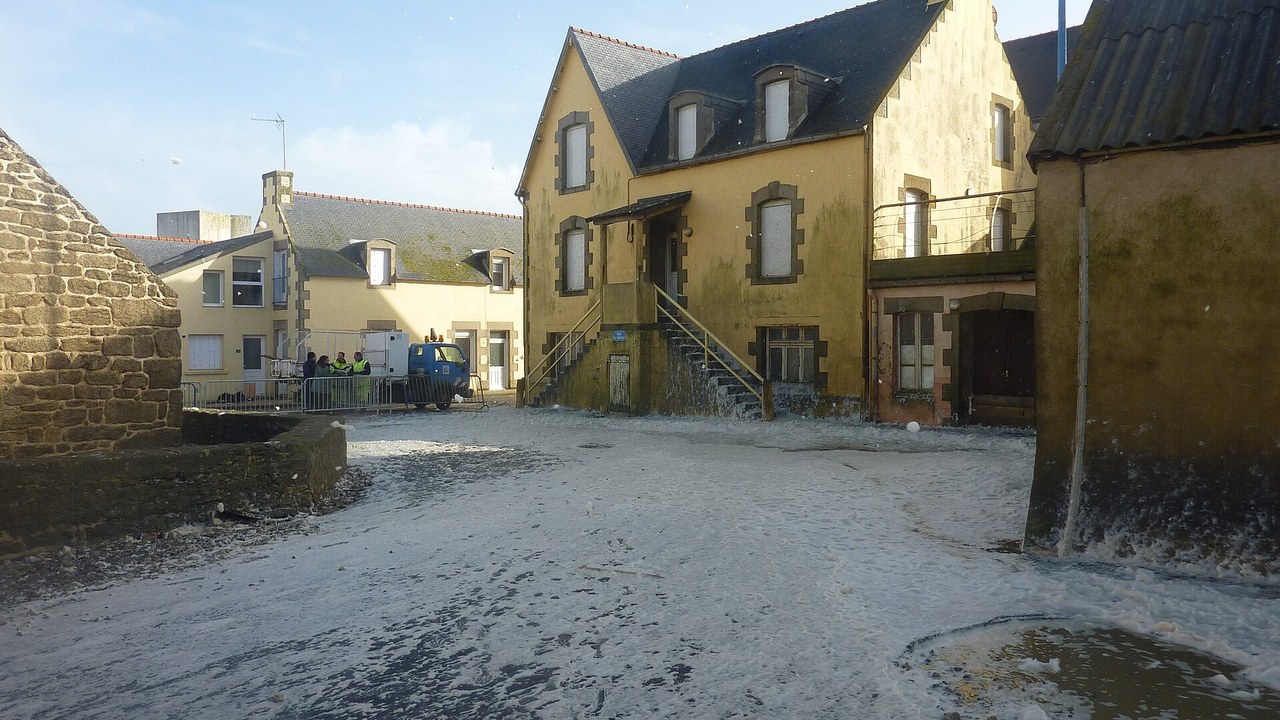
King tides are the highest tides of the year, caused by the sun and moon lining up to pull the ocean higher than usual. This year's are being amplified by a super El Niño, which has already raised sea levels along the Pacific coast. The result is water where it does not belong — on roads, in homes, and over the sea walls of coastal towns — on the busiest travel week of the year.
On the West Coast, San Francisco Bay tides are forecast to peak on Wednesday at 2.8 feet above normal — against the all-time Bay Area record of 2.9 feet above normal, set on January 27, 1983. The November record is already gone: the Crissy Field gauge's 8.23 feet on Tuesday morning beat the 7.97 feet of November 30, 1982. Flooding hit Marin County on Tuesday — homes flooded in Corte Madera, and a woman was rescued in Mill Valley. In Humboldt County, evacuations were ordered in King Salmon and buildings flooded on Monday. A high surf warning is in effect for Wednesday, with 20- to 30-foot breaking waves forecast in the Bay Area, and the Embarcadero is at risk.
The Pacific Northwest is braced too: the National Weather Service in Portland and Seattle has warned of coastal flooding through Friday, and Washington State Ferries has cancelled sailings, with about 300,000 ferry users expected over the holiday weekend. On the East Coast, major flooding is possible in Charleston, South Carolina, at the Wednesday morning high tide, with moderate-to-major flooding likely around Chesapeake Bay. Coastal flood watches run from Delaware to New Jersey, where Thursday morning's high tide is the greatest threat, and minor-to-moderate flooding is expected from Virginia to Long Island at each high tide on Thursday. In Florida, king tides are flooding the coast from Palm Beach to Miami, with water elevated for hours before and after the high tides on Wednesday and Thursday mornings — and the St. Johns River near Cocoa has been above flood stage since November 2, forecast to stay at least two feet above it after breaking a 1953 record last week.
THE KEY NUMBERS
8.23 feet — the Crissy Field gauge reading at 10:06 a.m. on Tuesday, November 24.
7.97 feet — the old November record, set November 30, 1982. Broken by a quarter of a foot.
2.8 feet above normal — the forecast peak for San Francisco Bay on Wednesday.
2.9 feet above normal — the all-time Bay Area record, January 27, 1983. The mark in play on Wednesday.
20–30 feet — the breaking waves forecast for the Bay Area on Wednesday.
300,000 — the ferry users expected in Washington state over the holiday weekend, with sailings cancelled.
1953 — the year of the St. Johns River record broken last week near Cocoa, Florida.
WHY THIS YEAR IS WORSE
King tides happen every year — they are astronomy, not weather. What makes this year different is the super El Niño sitting underneath them. El Niño warms the eastern Pacific and raises sea levels along the American west coast, so the same lunar alignment that produces a high tide in a normal year produces a higher one this year. Add a storm system, and the water piles up further. The tides themselves are predictable months in advance; the flooding they cause depends on how much extra water the weather adds on top. This week, on both coasts, the weather is adding plenty.
THE STORY SO FAR
November 2 — the St. Johns River near Cocoa, Florida, rises above flood stage; it will stay there for weeks.
Last week — the St. Johns River breaks its 1953 record.
Monday, November 23 — buildings flood in King Salmon, Humboldt County; evacuations ordered.
Tuesday, November 24, 10:06 a.m. — the Crissy Field gauge hits 8.23 feet, breaking the November record. Homes flood in Corte Madera; a woman is rescued in Mill Valley.
Wednesday, November 25 — San Francisco Bay tides forecast to peak at 2.8 feet above normal; major flooding possible in Charleston at the morning high tide.
WHAT HAPPENS NEXT
The danger window runs through Friday. On the West Coast, Wednesday's peak is the moment to watch — if the Bay hits 2.9 feet above normal, the 1983 all-time record falls with it. On the East Coast, Thursday morning's high tide is the greatest threat from Delaware to New Jersey, and the flooding from Virginia to Long Island will repeat at each high tide on Thursday. The tides will ease after the weekend. Until then, the advice from emergency officials is the same on both coasts: do not drive through flooded roads, do not walk near sea walls at high tide, and check the local tide table before travelling — because this week, the tide table is the weather forecast.