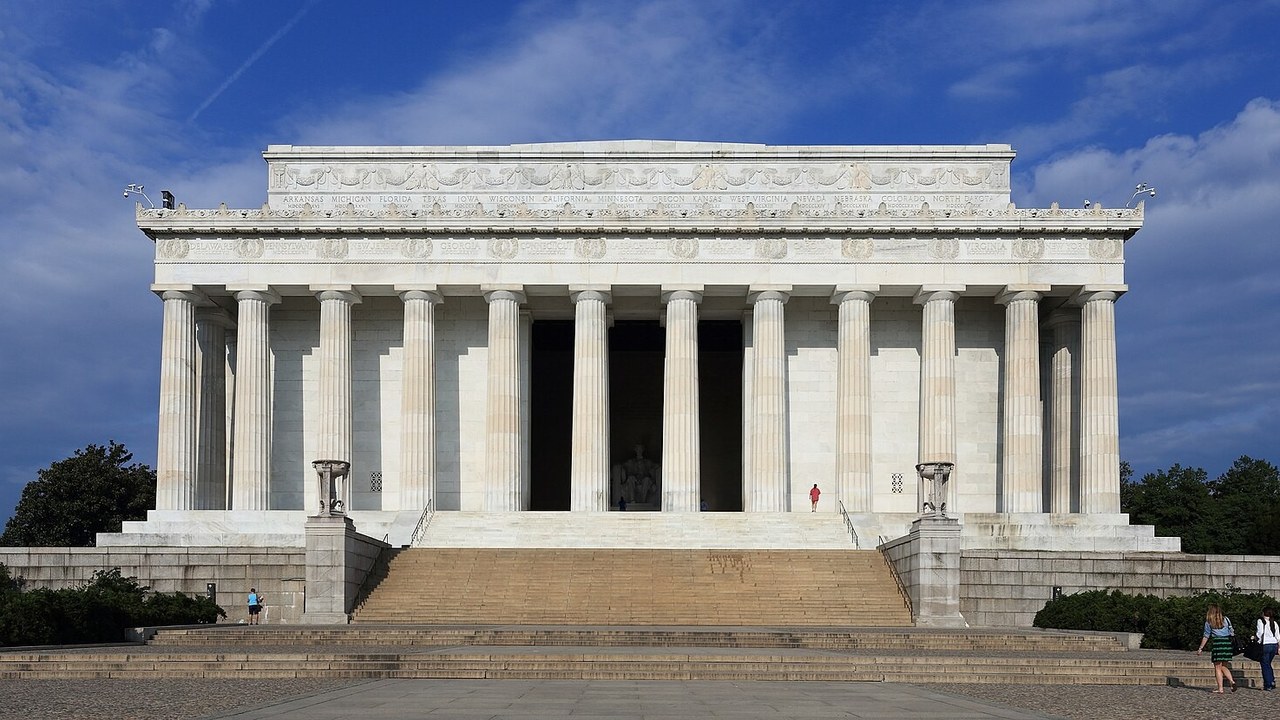
The most famous words in American history are not on the page. That is the first thing you learn when you stand in front of the only known handwritten draft of Martin Luther King Jr.'s 'I Have a Dream' speech, on public display for the first time this week at the National Center for Civil and Human Rights in Atlanta. The seven pages, written in blue-ink cursive on yellow lined legal paper, contain the speech's opening lines and its powerful closing invocation of an African American spiritual. They do not contain the words 'I have a dream.' King added those on stage, on August 28, 1963, standing on the steps of the Lincoln Memorial before some 250,000 people at the March on Washington for Jobs and Freedom. The draft is titled, in King's own hand, 'Normalcy — Never Again.'
The pages are a working document. Words are scrawled in blue pen and scratched out; whole sections are crossed through and reworked; a phrase is changed here, a word swapped there. 'It shows a genius at work, that these words didn't just spill out perfectly,' said Jill Savitt, the president and CEO of the National Center for Civil and Human Rights, where the draft is displayed in two cases in the gallery devoted to the March on Washington, with video of King delivering the speech projected on the wall behind them. Peter Klarnet, a specialist in books and manuscripts at Christie's, which will handle the sale, said he was 'just blown away' when he first saw the draft — so close to the final typed version, he said, that it must be the final handwritten draft.
King completed the draft in his hotel room in the wee hours, less than twelve hours before he delivered it. He was at the Willard Hotel in Washington, D.C., working with advisers who had helped him hash out the content — among them speechwriter Edward Clayton, his head of public relations. The draft they produced that night is the document now in the glass cases: the opening, the argument, the ending, all in King's hand, with the edits still visible. What it does not have is the refrain that made the speech immortal, and the reason is simple. The refrain was not written down because, on the morning of the speech, it did not exist yet. King reached it in the moment, in front of the crowd, and the words that followed — 'I have a dream that my four little children will one day live in a nation where they will not be judged by the color of their skin but by the content of their character. I have a dream today' — were spoken, not drafted.
The draft then disappeared for decades. It was discovered by Xernona Clayton, an Atlanta civil rights leader who worked closely with King and his wife, Coretta Scott King, and who is now 96 years old. Her late husband, Edward Clayton, had kept it: she found it in the late 1990s while cleaning out his desk, tucked inside a manila envelope labelled 'speech.' She knew it was important, but she did not realise it was the only remaining handwritten draft, so she put it back in the drawer. She found it there again just two years ago. Now her charitable trust is offering it for auction through Christie's in New York in January 2027, where bids could top $10 million, with the proceeds going to her foundation and the King Center in Atlanta.
The display itself is brief by design. The seven pages are on exhibit in Atlanta from November 16 to November 22 — this Sunday is the last day — before the manuscript travels to Chicago and then to New York for the auction. For six days in his hometown, the public can see the speech taking shape: blue ink, crossed-out passages, revisions, a title that never made it into history. The speech the world remembers begins with a dream. The draft begins with a different idea — 'Normalcy — Never Again' — and the distance between those two beginnings is the whole story of August 28, 1963: a prepared speech became an improvised one, in front of a quarter of a million people, and the words King found in that moment are the ones the draft does not contain.
THE STORY SO FAR
August 28, 1963: Martin Luther King Jr. delivers the 'I Have a Dream' speech from the steps of the Lincoln Memorial before an estimated 250,000 people at the March on Washington for Jobs and Freedom. In the wee hours that morning, he had finished a seven-page handwritten draft — titled 'Normalcy — Never Again' — in his room at the Willard Hotel in Washington, D.C., working with advisers including speechwriter Edward Clayton. The draft contains the opening lines and the closing spiritual, but not the 'I have a dream' refrain, which King ad-libs on stage. Late 1990s: Xernona Clayton, Edward Clayton's widow, discovers the draft in a desk drawer, inside an envelope labelled 'speech'; not realising it is the only remaining handwritten draft, she puts it back. About 2024: she finds it again in the same drawer. Monday, November 16, 2026: the draft goes on public display for the first time, at the National Center for Civil and Human Rights in Atlanta, King's hometown, in the March on Washington gallery. Sunday, November 22, 2026: the Atlanta display ends. Next: the manuscript travels to Chicago, then to New York, where Christie's will auction it in January 2027.
WHAT HAPPENS NEXT
Sunday, November 22 is the last day to see the draft in Atlanta — after that it travels to Chicago for a further display, and then to New York, where Christie's will auction it in January 2027. The auction house expects more than $10 million, which would make it one of the most valuable American manuscripts ever sold; the proceeds go to Xernona Clayton's foundation and the King Center in Atlanta. Whoever buys it will own the only known handwritten draft of the most famous speech in American history — seven pages that show, in blue ink and crossed-out lines, that the speech was built in a hotel room in the middle of the night and finished, in the most literal sense, on the steps of the Lincoln Memorial. The draft's real value is not the price, though. It is the correction it makes to the way we remember the speech: not as words that spilled out perfectly, but as words that were worked at, revised, and then — at the decisive moment — left behind for better ones.