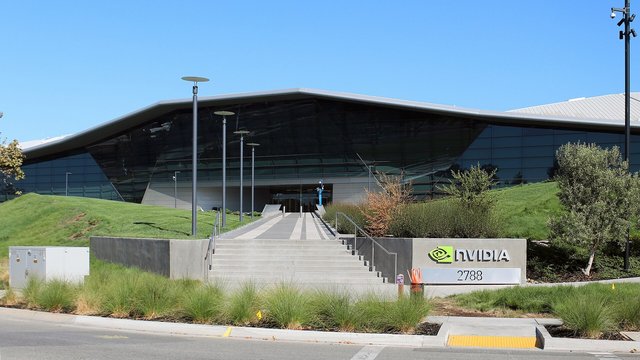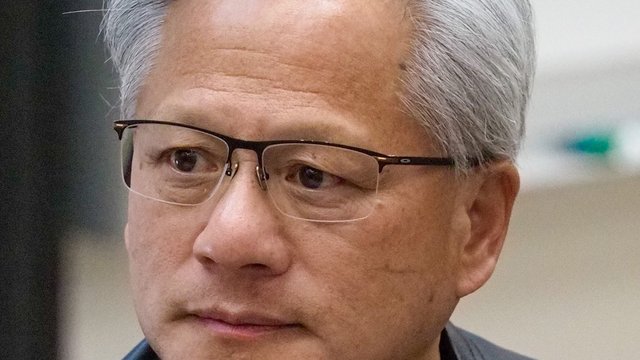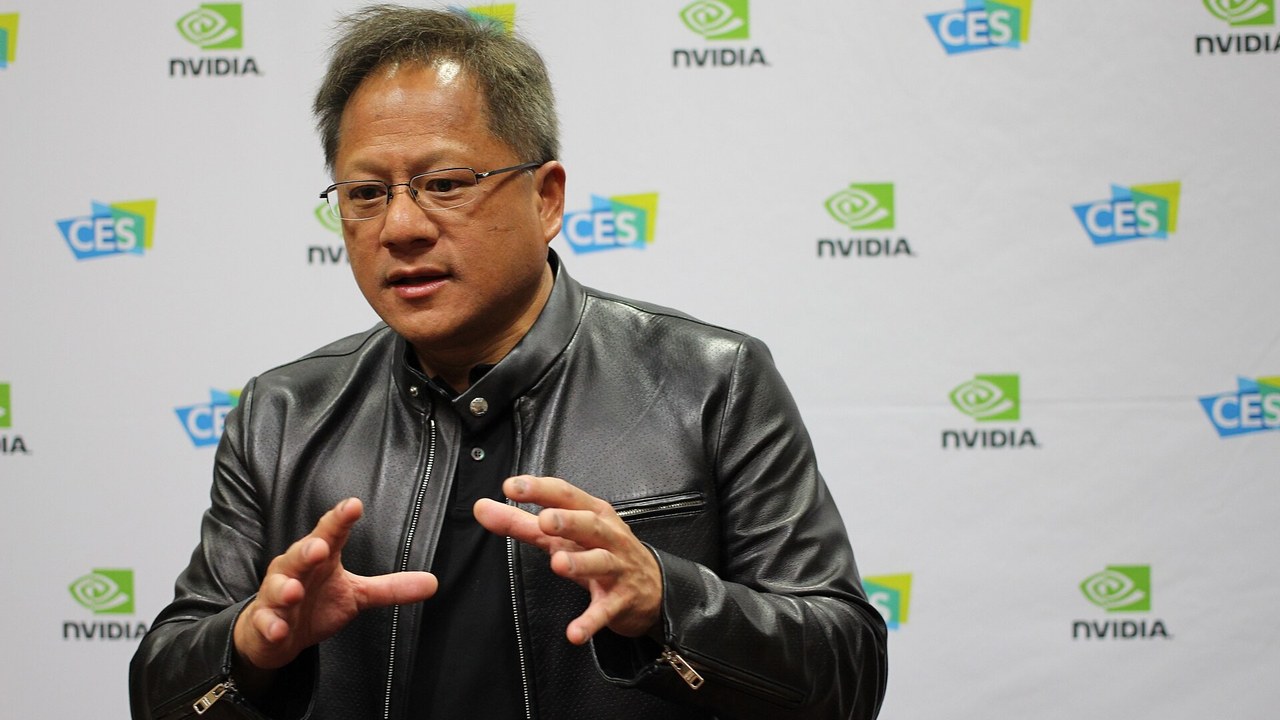
Jensen Huang stood in front of his employees on Tuesday and apologized. One day after Nvidia’s board handed him back the company he co-founded, the reinstated chief executive told an hour-long meeting at Nvidia’s Santa Clara headquarters that he had made “some terrible mistakes,” that he was unfaithful to his wife of more than four decades, and that he is now in therapy for an hour and a half every day.
It was Huang’s first all-hands meeting since his return, and by every account it was unlike any company meeting a Silicon Valley chief executive has held. He took no questions, apologized to his wife and children, and thanked the company for a second chance — then spent the rest of the hour defending how he runs Nvidia and rejecting the idea that President Donald Trump put him back in the job.
THE KEY NUMBERS
1.5 hours: the therapy Huang said he attends every day, telling staff it has “been helping me a lot,” according to Wired. CNN put the daily sessions at more than an hour a day.
11 days: the length of Huang’s exile. He resigned on November 12 and was back in the job on November 23, after the board voted unanimously to reinstate him as president, CEO and director.
About 31%: Nvidia’s share jump on Monday, closing at $165.05 and adding roughly $950 billion in market value — the largest single-day dollar gain in stock market history. The Nasdaq rose about 6% and the S&P 500 about 4% on the same day.
About 60: the number of people who report directly to Huang in Nvidia’s famously flat structure — a structure he defended at length on Tuesday, saying it gives everyone “an equal say” with him.
Early December: when Huang is due before lawmakers in Washington, with a closed-door House interview and Senate Banking Committee testimony ahead. The independent committee investigation into reports that he was targeted by a foreign intelligence effort is still open.
WHAT HUANG ACTUALLY SAID
Five lines from Tuesday’s meeting tell the story of the hour better than any summary:
“I made some terrible mistakes.”
“I was unfaithful to Lori, and I hurt my kids and of course, I hurt all of you.”
“This is going to be the hardest company meeting I’ve ever done, and the second-hardest meeting I have ever done. The hardest meeting I’ve ever done was with my wife.”
“That is completely untrue.” — on the suggestion that President Trump orchestrated his return.
“I need your feedback, do you understand what I’m saying?” — to the staff in the room, after taking no questions.
Huang also said he resigned because he broke Nvidia’s code of conduct — a code he said he personally wrote portions of — but insisted that being back does not put him above it. Breaking the code, he said, does not automatically mean a person is fired; management decides what happens in each case, just as the board did with his. And he pushed back on the label following him around the internet since his return: “There are rumors on the internet that apparently I’m a tech bro, and therefore I’m back,” he said, according to Wired.
WHAT THE MEETING CHANGES
The apology came with new accountability mechanics. Huang told staff his direct reports will now send reviews of his behavior to the board, and that he will submit to a performance review that could involve soliciting feedback from colleagues as often as once a month. He acknowledged that his demanding management style had sometimes come at his employees’ expense. “It disempowers them, and that’s not right,” he said, according to Wired. “I need to hold myself to a higher standard at this time.”
He also sought to reassure female employees directly, touting Nvidia’s flexible work policies and saying, “If I did anything that put that in jeopardy, I cannot tell you how sad I am, and I’ll do everything I can to fix it.” And he was unmoved on one point: he told staff he does not “believe in succession planning,” because it would suggest some executives matter more than others — the same flat structure, with no clearly defined successor, that left the board flat-footed when he resigned.
Not everyone in the room was convinced. Wired reported that the reinstatement has divided employees, with some celebrating the founder’s return while others remain troubled by his behavior and by the board’s handling of the scandal.
THE STORY SO FAR
November 12, 2026: Jensen Huang resigns as president, CEO and board member, effective immediately, after admitting to extramarital affairs — one with Alice Huang, a Singapore businesswoman US officials feared was a Chinese intelligence asset, and one with Kimberly Powell, Nvidia’s vice president of health care and a subordinate. Hours later, Reuters reports an affair with a second Nvidia employee. November 17: board chair Harvey Jones says the board “does not intend to reinstate Jensen as CEO.” November 18: Nvidia beats earnings expectations in its first report without Huang, but the stock keeps sliding. November 22: The Wall Street Journal reports the SEC is probing Nvidia’s accounting; the same day, the board votes to reinstate Huang, according to the company’s SEC filing. November 23: Nvidia announces the reinstatement before the market opens. Shares close up about 31% at $165.05, and Trump takes credit in a CNBC interview, saying he appealed to the board directly. November 24: the apology meeting — and Nvidia’s shares give back some of Monday’s surge.
WHAT HAPPENS NEXT
Huang’s first real test is in Washington, not Santa Clara. He faces a closed-door interview with three House committees on December 1 and Senate Banking Committee testimony in early December, where lawmakers from both parties are expected to press him on the national security questions around his return. Senator Elizabeth Warren, the top Democrat on the Senate Banking Committee, has already called the reinstatement into question.
Inside Nvidia, the open questions are the independent committee’s investigation into the reported foreign intelligence effort targeting Huang, the SEC’s reported accounting probe, and whether Monday’s record rally holds once the relief fades. Huang closed Tuesday’s meeting with a promise: “I promise you, whether I’m here or not, this company is wired up to execute, execute, and execute.” The next two weeks will show whether the board, the markets and Congress believe him.