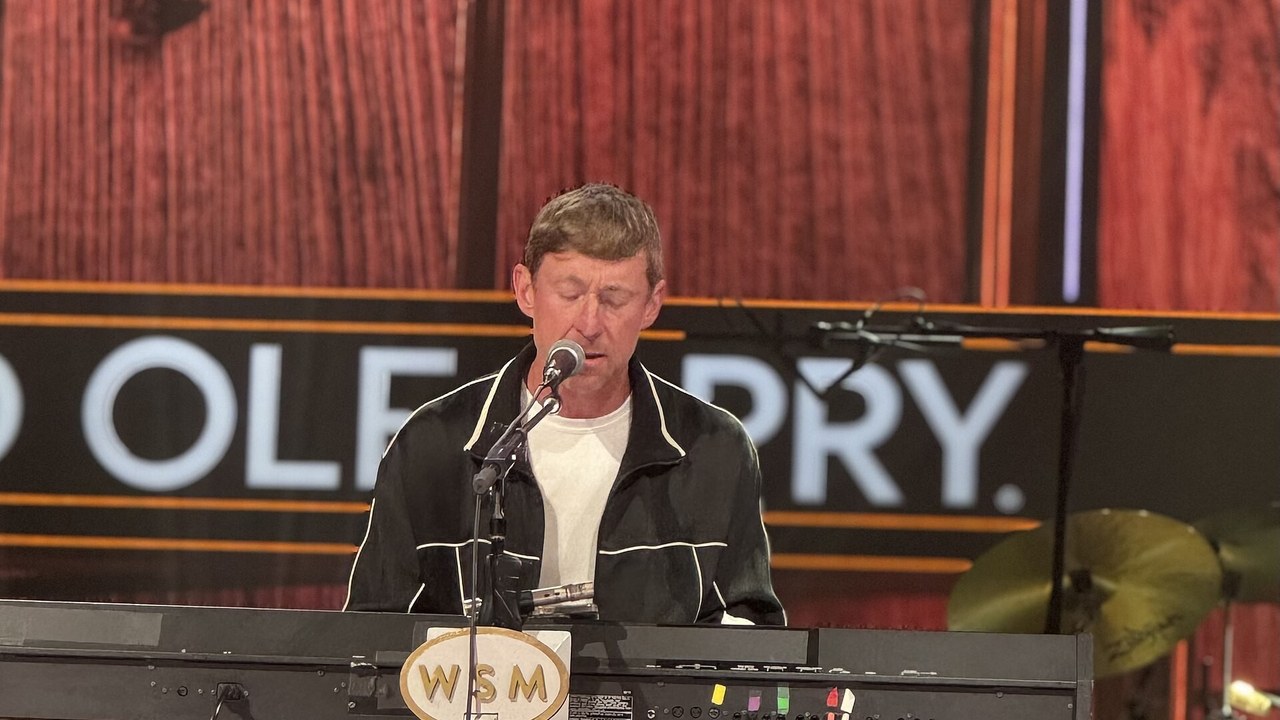
November 28, 1925, was a Saturday in Nashville, Tennessee. A radio station called WSM put a new show on the air that night: the WSM Barn Dance, an hour of fiddle music and folk songs. Nobody in the room could have known it, but they had just started the longest-running weekly radio program in the world. Two years later the show was renamed the Grand Ole Opry — and today, November 28, 2026, it turns 101 years old.
The Opry is the headline, but November 28 has a habit of producing firsts. The same date in 1520 saw Magellan's expedition pass through the strait at the southern tip of South America and reach the Pacific Ocean. In 1895 it saw the first automobile race in the United States. In 1943 it saw three of the most powerful men on earth sit down in Tehran. And in 1964 it saw NASA launch a spacecraft toward Mars. Five dates, five turning points — here they are in order.
THE STORY SO FAR
November 28, 1520: Ferdinand Magellan's expedition sails through the strait at South America's southern tip and reaches the Pacific Ocean — the first Europeans to cross from the Atlantic to the Pacific by sea. November 28, 1895: J. Frank Duryea wins the first auto race in the United States, driving from Chicago to Evanston and back — about 54 miles in about 10 hours through snow, averaging roughly 7 miles per hour. November 28, 1925: the WSM Barn Dance makes its first broadcast from Nashville; renamed the Grand Ole Opry in 1927, it is still running weekly today. November 28, 1943: Franklin D. Roosevelt, Winston Churchill and Joseph Stalin open the Tehran Conference, the first meeting of the three Allied leaders. November 28, 1964: NASA launches Mariner 4 toward Mars; it will become the first spacecraft to fly by the planet and send back close-up pictures.
WHAT HAPPENS NEXT
The Grand Ole Opry marks its 101st anniversary today with its regular weekly show in Nashville — the same format, a century on: live music, a live audience, and a radio broadcast. The Opry's own centenary year ran through 2025, and the 101st year is the quieter milestone — a show that has now outlived every other weekly radio program on earth by decades. The next big date on its calendar is its 102nd birthday, November 28, 2027.
MAGELLAN'S 38 DAYS IN THE STRAIT
The first of the day's five turning points took the longest to happen. Magellan's fleet entered the strait at the southern tip of South America on October 21, 1520, and spent 38 days picking through its narrow, twisting channels before emerging into the Pacific on November 28. The strait still carries his name. The ocean he found on the other side he named the Pacific — the peaceful sea — because after the storms of the strait, its waters looked calm. The fleet had set out from Spain with five ships and about 270 men; one ship would make it all the way around the world, and Magellan himself would not live to see it.
THE FIRST AUTO RACE — SIX CARS, TWO FINISHERS
The first automobile race in the United States was, by modern standards, barely a race at all. Six cars started in Chicago on the morning of November 28, 1895, in a contest sponsored by the Chicago Times-Herald, with a $2,000 prize for the winner. The course ran to Evanston and back — about 54 miles — through snow, and it took J. Frank Duryea about 10 hours and 23 minutes to cover it, averaging roughly 7 miles per hour. Only two cars finished. Duryea's gasoline wagon won; a Benz came in second, about an hour and a half later. The race is remembered not for its speed but for proving the point: a gasoline car could cover 54 miles in a day, in winter, and arrive at all.
TEHRAN AND MARINER 4
The Tehran Conference, which opened on November 28, 1943, was the first time Roosevelt, Churchill and Stalin had ever sat in the same room — and it ran for four days, to December 1, settling the outline of the invasion of France and the shape of the post-war world. Twenty-one years later to the day, NASA launched Mariner 4 toward Mars. The spacecraft flew past the planet on July 14, 1965, and sent back 21 photographs — the first close-up pictures of another planet ever taken, showing a cratered surface that ended the old idea of Mars as a world of canals and vegetation. Five dates, one day: a strait, a race, a radio show, a conference and a spacecraft.
The Opry still broadcasts weekly from Nashville on Saturday nights, on WSM 650 AM and streaming — the same slot, the same format, a century on. The show that began as an hour of fiddle music now fills a 4,400-seat auditorium, the Grand Ole Opry House, and its roll call of performers runs from the Carter Family to the present day. The 101st birthday is the quieter milestone after last year's centenary, but the fact underneath it has not changed: no other weekly radio program on earth has run this long.