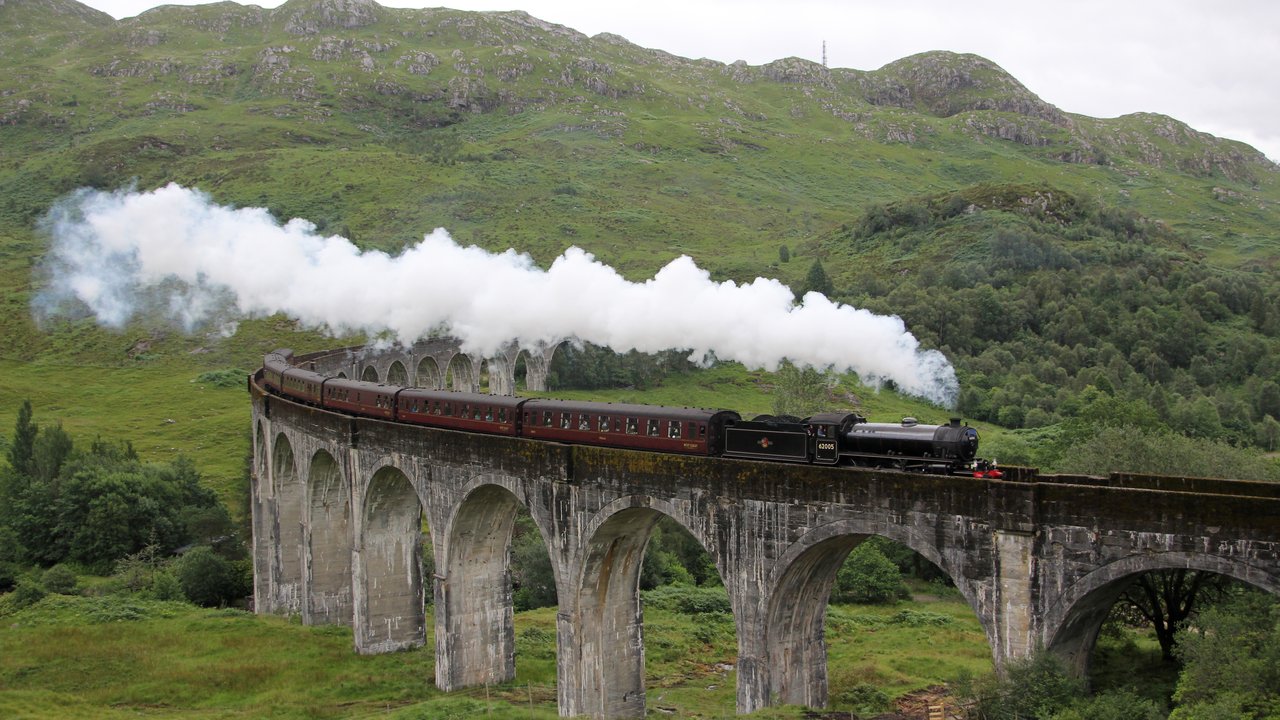
Twenty-five years ago today, on November 16, 2001, Harry Potter and the Philosopher’s Stone opened in cinemas in the United Kingdom and the United States — and a scrawny kid with taped-up glasses and a lightning-bolt scar stepped off the page and onto screens around the world. The film opened as the widest release either country had ever seen, took roughly $90 million in its first North American weekend — a record at the time — and went on to earn $974 million worldwide in its original run, later passing $1 billion. A quarter of a century later, the boy who lived has never left.
The numbers since then are the kind usually reserved for entire studios, not one series. The eight Harry Potter films, released between 2001 and 2011, earned more than $7.7 billion globally. The seven books have sold over 600 million copies in more than 85 languages. And Warner Bros. has spent all of 2026 marking the anniversary with a year-long celebration — a new 25th-anniversary logo designed to resemble the shimmering glow of a Patronus charm, new products, immersive retail activations, and a return to cinemas for all eight films between August 27 and September 3, with the first film screening alongside 10 to 12 minutes of behind-the-scenes footage never before shown in cinemas.
Finding The Boy Who Lived
None of it was a sure thing. Warner Bros. bought the film rights to J.K. Rowling’s first novel in 1999, and Steven Spielberg was in talks to direct before he walked away. The job ultimately went to Chris Columbus, the filmmaker behind Home Alone and Mrs. Doubtfire, who reportedly won the studio over with a heavily annotated script and a passionate pitch. Cameras started rolling in late September 2000 at Leavesden Studios outside London, and the casting search ended with three unknowns: Daniel Radcliffe, now 36, as Harry, with newcomers Rupert Grint as Ron and Emma Watson as Hermione.
The film premiered in London at the Odeon Leicester Square on November 4, 2001, then opened everywhere twelve days later. It was the highest-grossing film of the year, and it launched a phenomenon that ran for a decade: eight films, a studio tour, a stage play, theme park lands, and a fandom that has now raised a second generation on the same story. The first film still feels like a warm blanket, as one anniversary write-up put it — a little innocent, a little wondrous, and exactly the right kind of magic for a chilly November night.
Why It Still Matters
Anniversaries like this one usually belong to nostalgia. This one does not, quite, because the story is still moving. The HBO Original Harry Potter television series is currently in production at Warner Bros. Studios Leavesden and is set to premiere in 2027 — a full retelling of the books for a new generation, filmed on the same lot where the movies were made. Warner Bros. Studio Tour London is celebrating the first film with a summer feature running May 7 to September 7, built around the artefacts audiences met in it, from the Philosopher’s Stone itself to the first Golden Snitch.
That is what 25 years looks like when a story refuses to become a museum piece: the original film is back in cinemas, the books are still selling, and the next version is already being shot. The boy who walked into platform nine and three-quarters in 2001 is now the centre of a franchise that has outlived the childhoods of the people who first queued for it — and is now being handed, deliberately, to their children.
Twenty-five years ago, a boy with a lightning scar stepped off the page. He never stepped back.
THE STORY SO FAR
1997 — J.K. Rowling’s Harry Potter and the Philosopher’s Stone is published.
1999 — Warner Bros. buys the film rights; Steven Spielberg is in talks to direct before walking away.
Late September 2000 — Filming begins at Leavesden Studios outside London, directed by Chris Columbus, with Daniel Radcliffe, Rupert Grint and Emma Watson cast as Harry, Ron and Hermione.
November 4, 2001 — The film premieres in London at the Odeon Leicester Square.
November 16, 2001 — Harry Potter and the Philosopher’s Stone opens in the UK and the US as the widest release either country had seen; it takes about $90 million in its first North American weekend.
2001 to 2011 — Eight films are released, earning more than $7.7 billion worldwide.
January 21, 2026 — Warner Bros. Discovery announces a year-long 25 Years of Magic celebration, with a new anniversary logo and events across all divisions.
August 27 to September 3, 2026 — All eight films return to cinemas worldwide; the first film screens with 10 to 12 minutes of extra behind-the-scenes footage.
WHAT HAPPENS NEXT
2027 — The HBO Original Harry Potter television series, currently in production at Warner Bros. Studios Leavesden, is set to premiere — a new adaptation of the books for a generation that was not born when the first film opened.
And today, November 16, 2026 — exactly 25 years after the first film opened — is the anniversary itself. If you were in a cinema that day in 2001, you are 25 years older. The film is not. That is the whole trick of it: Harry Potter stays eleven years old forever, and the rest of us just keep coming back to Platform 9¾.