A federal jury in Los Angeles found Jonathan Rinderknecht guilty on Friday of deliberately starting the fire that became the Palisades Fire — the January 2025 blaze that killed 12 people and destroyed 6,837 structures in Pacific Palisades. The verdict came five months after his first trial ended with jurors deadlocked 10 to 2 in favor of acquitting him.
Rinderknecht, 30, was convicted on both federal counts against him: destruction of property by means of fire, and arson affecting property used in interstate commerce. He faces a mandatory minimum of five years in federal prison and a statutory maximum of 40 years, the Justice Department said. U.S. District Judge Anne Hwang set sentencing for March 17, 2027. Rinderknecht has been in federal custody since October 2025.
“Jonathan Rinderknecht deliberately ignited a fire that killed 12 people and devastated an entire community.” — First Assistant U.S. Attorney Bill Essayli
What The Jury Heard
Prosecutors told the jury the fire began just after midnight on January 1, 2025, in a small clearing on Hidden Buddha Hill in Pacific Palisades. Rinderknecht, alone on New Year's Eve and angry after failing to find companionship that night, had driven several Uber passengers before dropping off his last rider in Pacific Palisades and driving to The Summit, where he had once lived with a former lover. He walked up a trail near Skull Rock, filmed videos on his iPhone from a hilltop, and played a rap song whose music video showed things being lit on fire.
At about 12:12 a.m., environmental sensors registered the start of what became known as the Lachman Fire. Rinderknecht called 911 several times in the next five minutes but could not get through, because his phone was out of range. When he finally connected, he was at the bottom of the trail reporting the fire — by which point a nearby resident had already reported it. He then drove away, passing fire engines heading the other way, turned around, and followed them back to watch the fire and the firefighters, filming the scene again at about 1:02 a.m.
The case against him hardened on the details. When law enforcement interviewed him on January 24, 2025, Rinderknecht said he had been near the bottom of a hiking trail when he first saw the fire. Geolocation data from his phone carrier showed he had been standing in a clearing 30 feet from the fire as it grew. Prosecutors also relied on cellphone records, surveillance footage, and fire investigation findings, and showed the jury video of a fire experiment using a lighter similar to one found in Rinderknecht's car.
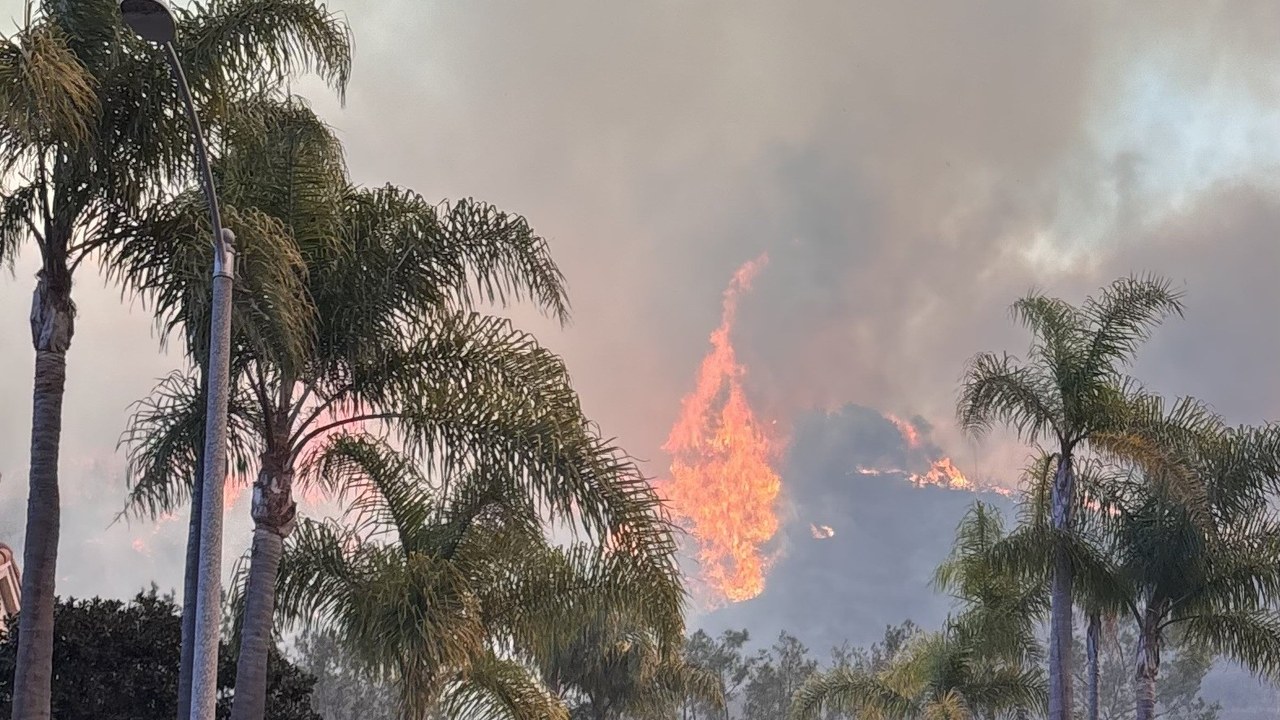
Firefighters quickly knocked down the Lachman Fire — but it kept burning underground, smoldering inside the root systems of dense vegetation. On January 7, heavy winds pushed it back above ground. It became the Palisades Fire, the most destructive wildfire in Los Angeles history: 12 people killed, 6,837 structures destroyed, and an estimated $25 billion in damage, according to the Justice Department.
Why The First Trial Failed
This was the government's second try. The first trial, in June 2026, lasted two weeks and ended with the jury deadlocked 10 to 2 in favor of acquittal. Judge Hwang declared a mistrial. Prosecutors came back with a new indictment that dropped a lesser timber-burning charge and narrowed the two remaining counts — one to the January 1 Lachman Fire, the other to the Palisades Fire itself.
The retrial began November 4 and ran about two weeks, with nearly three days of deliberations. The jury's hardest holdout was Juror No. 3, who said he was the only juror who believed Rinderknecht was not guilty when deliberations began. “It took a lot for me to be convinced otherwise,” the juror, who gave only his first name, Cameron, said afterward. “After listening to every single point, I do now agree that he's guilty.” He said Rinderknecht's own testimony was the strongest evidence pointing to guilt.
“We are disappointed in the verdict, but respect the jury process. After a lengthy deliberation, they clearly gave this case a great deal of consideration.” — Steve Haney, Rinderknecht's attorney
THE STORY SO FAR
January 1, 2025, 12:12 a.m. — The Lachman Fire begins in a clearing on Hidden Buddha Hill in Pacific Palisades. Rinderknecht calls 911; firefighters suppress the visible flames, but the fire keeps burning underground in root systems.
January 7, 2025 — Heavy winds push the smoldering fire above ground. It becomes the Palisades Fire, killing 12 people and destroying 6,837 structures across Pacific Palisades and Malibu.
January 24, 2025 — Rinderknecht tells investigators he was near the bottom of a hiking trail when he first saw the fire. Phone data later places him 30 feet from the flames.
October 2025 — Rinderknecht is taken into federal custody.
June 2026 — The first federal trial ends in a mistrial after jurors deadlock 10 to 2 in favor of acquittal.
November 4, 2026 — The retrial begins before Judge Anne Hwang in Los Angeles.
November 20, 2026 — After about two weeks of testimony and nearly three days of deliberations, the second jury finds Rinderknecht guilty on both counts.
WHAT HAPPENS NEXT
Sentencing is set for March 17, 2027, when Rinderknecht faces a mandatory minimum of five years and a maximum of 40 years in federal prison. The investigation was led by the Bureau of Alcohol, Tobacco, Firearms and Explosives, with substantial assistance from the Los Angeles Police Department and the U.S. Forest Service.
QUESTIONS PEOPLE ARE ASKING
Was Rinderknecht the only person charged? Yes — the Justice Department's case names him alone as the person who ignited the fire. No one else has been charged with starting it.
Did he admit to starting the fire? No. No. He pleaded not guilty to both counts. Prosecutors argued he lied to investigators about where he was when the fire started.
How much time could he get? The Justice Department says he faces a mandatory minimum of five years and a maximum of 40 years in federal prison. Each count carries up to 20 years. The judge decides the sentence on March 17, 2027.
Why did the first jury deadlock? It ended 10 to 2 in favor of acquittal after two weeks of testimony. Prosecutors narrowed the charges and tried the case again — and this time, the holdout juror said Rinderknecht's own testimony convinced him.