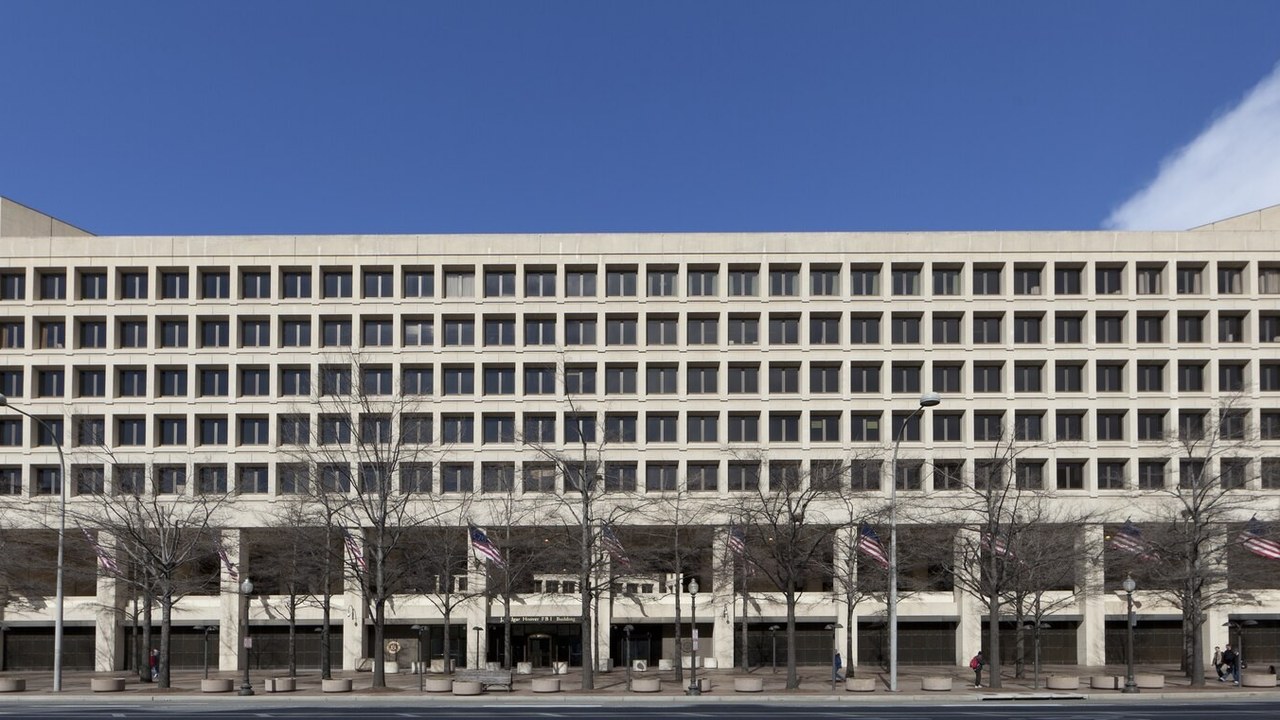
Hackers have apparently broken into the FBI's nationwide crime database — the system police officers across America check every day for warrants, fugitives and background checks. CNN reported on Friday that the FBI is investigating an apparent breach of its National Crime Information Center database, citing two people briefed on the investigation. Reuters confirmed the bureau is investigating the suspected breach.
The database, known as NCIC, is the backbone of day-to-day American law enforcement. The FBI calls it the lifeline of law enforcement: it holds more than 18 million active records across 22 files — wanted people, missing people, stolen cars and guns, gang members, terrorists and convicted sex offenders — and serves more than 100,000 law enforcement partners. Officers query it millions of times a day, most often during routine traffic stops, and get an answer in milliseconds.
What makes this breach different is what is at stake. A former FBI official who led investigations into cybercriminal groups told CNN the worry is not only whether hackers took sensitive information, but whether they could have changed it. If a warrant record were altered or deleted, an officer could miss a wanted fugitive — or act on information that is no longer true. By the FBI's own rules, an NCIC hit does not establish probable cause — agencies must verify the record before acting on it. That check is now the system's main line of defence.
“My concern isn't simply whether hackers gained access to sensitive information, although that is an issue, but whether they could compromise the accuracy of the information that officers rely on.” — A former FBI official who led investigations into cybercriminal groups, speaking to CNN
The Second FBI Breach In Months
This is the second time in recent months that hackers have got into an FBI system. In September, the digital extortion group ShinyHunters breached an FBI jobs website and stole personal data belonging to a large number of current and former FBI employees, according to Reuters. A Canadian researcher has since been arrested and charged over that breach. ShinyHunters later said on the dark web that it attacked the FBI in response to a bureau announcement telling organisations and individuals not to pay ransoms. In an earlier breach in 2023, hackers got into an FBI New York field office system used in child sexual exploitation investigations — including one that stored images related to the Jeffrey Epstein probe.
The NCIC breach also lands in the middle of a rough week for American cybersecurity. A global Microsoft outage hit hundreds of millions of users, a nationwide air-travel halt disrupted more than 18,000 flights, and the NSA's internal network went down. Hackers also leaked data they claimed to have stolen from JPMorgan Chase, Visa and Mastercard through third-party vendors. The Trump administration has insisted the recent glitches affecting Microsoft, banks, air traffic control and the NSA are unrelated and not the result of cyberattacks. The New York Post also reported an apparent cyberattack on the Department of Agriculture this week that took some payment systems offline.
The timing is awkward for the bureau. On Thursday — after FBI officials had already learned of the latest intrusion — Director Kash Patel appeared on Fox News to praise the FBI's cybersecurity work, describing an operation called Winter Shield and saying other administrations could have made the updates to key systems but didn't. “We are staying ahead of the curve and making up for lost time,” he said.
QUESTIONS PEOPLE ARE ASKING
Can hackers delete a warrant or a criminal record now? Not that anyone has proven. The FBI has not said what the intruders accessed, and no official has reported any record being changed or deleted. Until the bureau completes its checks, nobody outside the investigation knows.
Is my personal information at risk? Almost certainly not from this breach. The NCIC holds criminal-justice records, not bank accounts or credit cards, and nothing so far suggests any member of the public's personal information was taken.
Should police stop using the system? No — and they haven't. The NCIC is still live, and officers are trained to verify every hit with the agency that entered the record before acting on it. That check, built into the rules, is what stands between a bad record and a bad arrest.
What about the posts claiming hackers can wipe your record clean? Ignore them. No verified report supports the claim, and anyone offering to delete a criminal record for a fee off the back of this breach is running a scam, not a service.
THE STORY SO FAR
1967 — The FBI launches the National Crime Information Center with five files and 356,784 records. Within four years, all 50 states are connected.
2023 — Hackers breach a computer system used by the FBI's New York field office in child sexual exploitation investigations.
September 2026 — The extortion group ShinyHunters breaches an FBI jobs website and steals personal data belonging to current and former FBI employees. A Canadian researcher is later arrested and charged over the breach.
Earlier this week — FBI officials learn of an intrusion into the National Crime Information Center database.
Thursday, November 19 — FBI Director Kash Patel appears on Fox News to tout the bureau's cybersecurity work, hours after the bureau learned of the breach.
Friday, November 20 — CNN reports the apparent breach, citing two people briefed on the investigation. Reuters and other outlets follow. The FBI does not respond to requests for comment.
Saturday, November 21 — The investigation continues. The FBI has still not said who did it, how they got in, or what they reached.
WHAT HAPPENS NEXT
The FBI's investigation is now the whole story. Four things to watch: first, whether the bureau confirms the breach publicly and says what was accessed; second, whether its integrity checks find any record that was altered or deleted; third, whether investigators name a suspect or a group — so far, no one has been blamed; and fourth, whether Congress asks questions, given this is the second FBI breach in recent months and it follows a week of outages across Microsoft, the banks, air traffic control and the NSA. Until the FBI speaks, every claim about what the hackers took is unconfirmed.