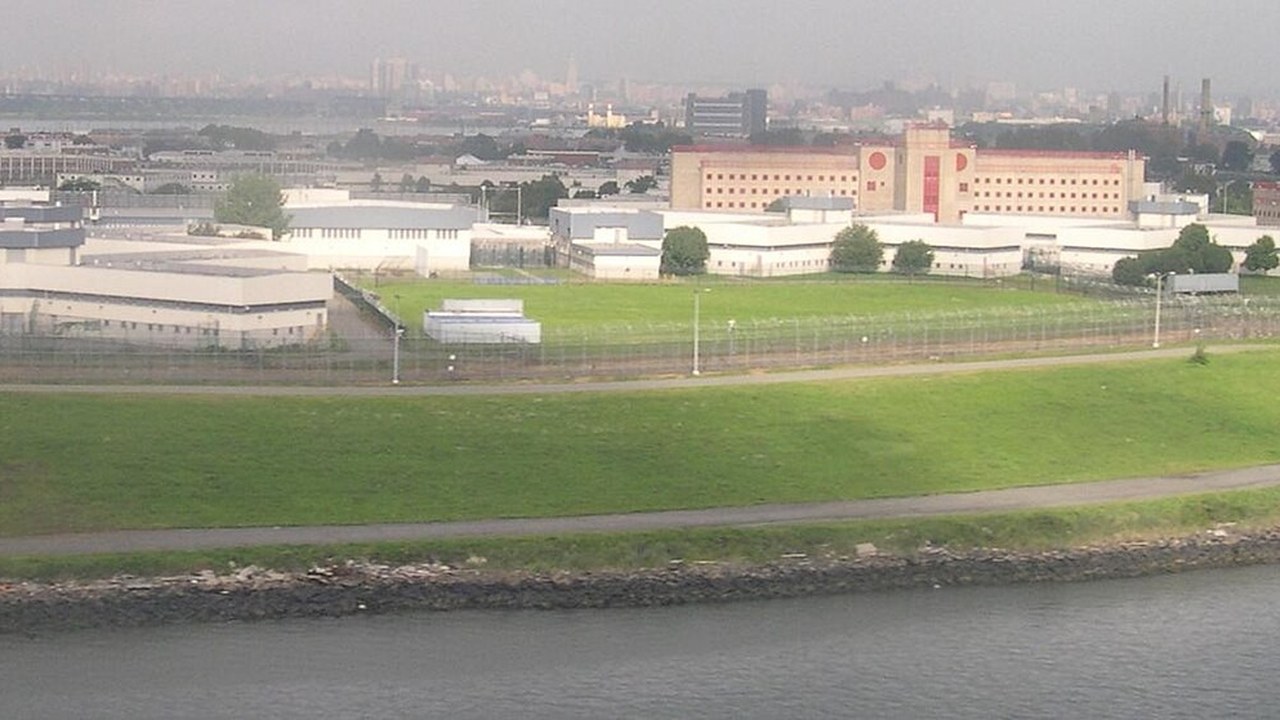
New York City Mayor Zohran Mamdani unveiled a plan on Friday morning to close the Rikers Island jail complex once and for all — but the fine print moves the goalposts. Under his proposal, the notorious jail would not close until the end of 2032, five years after the August 2027 deadline the law requires. The plan pairs the delay with $146 million in new spending and a promise to cut the jail population from about 6,600 people to no more than 4,100, while four smaller borough jails are built to replace Rikers.
“I am proud that New York City will close Rikers Island once and for all, and I am proud to share our comprehensive plan to do just that,” Mamdani said at a news conference at City Hall on Friday morning. He announced the plan first in a pre-recorded video alongside Department of Correction Commissioner Stanley Richards — the first formerly incarcerated person to lead the department, a man who was once held on Rikers himself.
What The Plan Actually Does
The $146 million in new investment next fiscal year goes to mental health care, substance-use treatment, education, job training and services for crime victims. The administration also wants fewer people held before trial and faster movement through the city's backlogged courts — the two levers it says matter most, because the jail population has grown again even as fewer people are being sent there.
The replacement is the same four-borough-jail idea former Mayor Bill de Blasio set in motion: one jail in each borough, close to the courthouses, public transit and the communities where incarcerated New Yorkers live. Brooklyn's opens first, in 2029, followed by Queens and the Bronx in 2031 and Manhattan in 2032. Each holds 1,040 beds.
The price tag has climbed sharply. The four jails are now expected to cost about $16 billion, up from roughly $8.7 billion when the plan was first drawn up. And none of it happens without the City Council, which must pass legislation to move the legal deadline from August 2027 to 2032. The borough-jail construction is already years behind schedule.
Why Rikers Has To Close — And Why It Hasn't
Rikers has been under federal oversight for years over excessive force by correction officers and inadequate care. The numbers are stark: people stay in custody there nearly four times longer than the national average, and assaults on detainees and staff happen at eight times the rate of similar jails. At least nine people have died in Department of Correction custody so far this year, according to the Vera Institute of Justice.
The jail's most famous case still drives the closure campaign. Kalief Browder, a Bronx teenager, spent three years in pretrial detention at Rikers after being accused of stealing a backpack — about two of them in solitary confinement — before prosecutors dropped the charges. He died by suicide in 2015, at 22. His brother Akeem stood beside Mamdani at Friday's announcement.
The population math explains why the deadline keeps slipping. The original plan assumed the detainee population would stay below 5,000. It fell sharply during the pandemic, then swelled again to nearly 7,000. City data show that in 2025, 56% fewer people were sent to Rikers before trial than in 2017 — yet the population was only 22% smaller, because cases take far longer to resolve. The average stay in 2025 was 102 days, up from 63 days in 2017.
THE KEY NUMBERS
2032 — the new closure target, five years after the August 2027 legal deadline. 6,600 to 4,100 — the planned cut in the jail population by the end of 2032, including no more than 220 women. $146 million — new investment next fiscal year in mental health care, treatment, education, job training and victim services. $16 billion — the expected cost of the four replacement borough jails, up from about $8.7 billion. 1,040 beds — the size of each borough jail: Brooklyn in 2029, Queens and the Bronx in 2031, Manhattan in 2032. 9 — people who have died in Department of Correction custody so far in 2026, per the Vera Institute of Justice. 102 days — the average jail stay in 2025, up from 63 days in 2017.
QUESTIONS PEOPLE ARE ASKING
Is Rikers Island closing? Not yet — and not soon. The jail is still open, and Mamdani's plan would keep it operating until the end of 2032. Is the 2027 deadline still the law? Yes, for now. The 2019 City Council law still requires Rikers to close by August 2027, and only the council can change that, by voting to extend the deadline to 2032. What happens to the people held there? The plan aims to cut the population by more than a third, to no more than 4,100 people, through shorter stays, fewer pretrial detentions and faster court cases. The rest would move to the four borough jails as they open.
THE STORY SO FAR
2019 — The City Council passes a law requiring Rikers Island to close by August 2027, replaced by four smaller borough-based jails. 2020–2021 — The jail population drops sharply during the pandemic. 2022–2025 — The population climbs back to nearly 7,000 as court cases slow; the average stay stretches to 102 days. Early 2026 — Mamdani appoints Stanley Richards, formerly incarcerated on Rikers, to lead the Department of Correction. Thursday, November 19 — The New York Post reports the administration has been quietly asking district attorneys to revisit bail cases to thin the Rikers population. Friday morning, November 20 — Mamdani unveils the closure plan at City Hall, proposing the 2032 deadline and $146 million in new spending.
WHAT HAPPENS NEXT
The plan now goes to the City Council, which must vote to extend the legal deadline to 2032 — the step that will draw the fiercest fight, from neighbourhoods that do not want a jail nearby and from the correction officers' union, which has consistently pushed to keep Rikers open. The city also plans to start demolishing decommissioned buildings on Rikers as early as 2027. The first real test comes in 2029, when the Brooklyn jail is supposed to open.
“For decades, New Yorkers have demanded a correctional system that is safe and humane. We have a legal and moral obligation to close Rikers.” — Mayor Zohran Mamdani, Friday, November 20, 2026