Hackers have broken into Cloud One, the US Air Force's flagship cloud computing platform, in a breach that could put sensitive tactical, personnel and logistics data at risk. Reuters reported the intrusion on Friday, November 27, citing three people familiar with the matter — and the most striking part of the story is what investigators still do not know: who the hackers are, how far inside the system they got, or whether they stole anything at all.
The intrusion was discovered within the past month or so, during work to upgrade the system, two of the sources told Reuters. The discovery has already caused disruption across the platform — and it is now the most searched news story in America, sitting at number one on Google's trending searches in the United States on Friday morning.
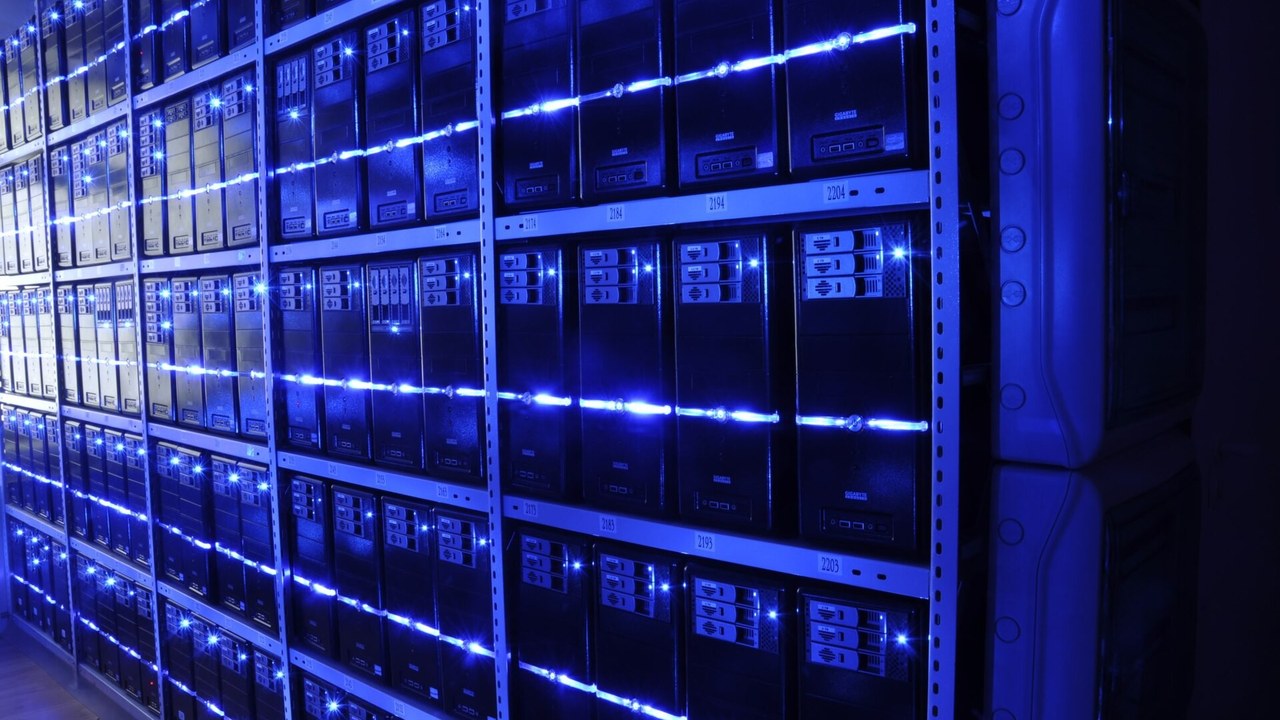
Cloud One is not a single server or a single base. Launched in 2017, it was built as a one-stop shop for the Air Force's IT needs, combining the resources of four operators — Microsoft, Amazon, Oracle and Alphabet, Google's parent company — to power scores of applications. Those applications manage personnel data and pay, logistics and maintenance, and much more besides. Two of Reuters' sources described Cloud One as among the US military's biggest cloud platforms. "A breach here is a big deal," one of them said.
WHAT THE HACKERS COULD REACH
According to one source, the intruders exploited a software vulnerability to reach Cloud One's control plane — the central management layer that coordinates everything running on the platform. That person likened control-plane access to a universal remote: in theory, intruders could leverage it to check the operational status of military aircraft or the movement of spare parts. Reuters stressed that it was unclear whether the hackers actually did so in this case, and the specific vulnerability they exploited has not been identified.
The systems sitting on Cloud One explain why the breach matters so much. Among them is the Air Force's Cloud-Based Command and Control, which collates air defence radar and other data feeds from across North America, and the Theater Integrated Combat Munitions System, which tracks bombs and missiles across more than 200 US Air Force locations around the world. Even without a confirmed data theft, a foothold at that level is the kind of access intelligence agencies dream about — which is exactly why US Cyber Command, the military's cyber force, has been called in to assess the damage.
There is also an uncomfortable piece of recent history here. In a 2023 commentary carried by FedScoop, Cloud One's own leadership touted what they called a "100% success rate" in beating back what they described as a "staggering" number of attempts to penetrate the platform. "There is no room for error when it comes to security," they wrote. Three years later, somebody got in.
THE FALLOUT IS ALREADY DISRUPTING AIR FORCE OPERATIONS
The breach is not just a headline — it is already getting in the Air Force's way. Efforts to migrate back-office applications onto Cloud One, a longstanding military priority, have been paused. Updates to applications already running on the platform have been blocked, leaving Air Force personnel unable to apply fixes just as a new batch of serious software vulnerabilities has been disclosed across the technology industry. A fifth source told Reuters that some users have had their administrator rights revoked. All five sources spoke on condition of anonymity.
SAIC was the prime contractor for Cloud One until 2025, when Leidos took over. SAIC did not respond to Reuters' request for comment; Leidos referred questions to the Air Force. The Air Force itself declined to discuss specifics, telling Reuters it "does not comment on the security posture, vulnerabilities or operational status of specific networks and systems" — while adding: "We continuously take prudent measures to protect Department (of the Air Force) information, systems and mission capabilities."
THE STORY SO FAR
2017 — Cloud One launches as the Air Force's one-stop cloud shop, pooling Microsoft, Amazon, Oracle and Alphabet resources. 2023 — Cloud One's leadership publicly claims a "100% success rate" against a "staggering" number of penetration attempts. 2025 — Leidos replaces SAIC as the platform's prime contractor. Within the past month — engineers discover the intrusion during upgrade work on the system. Friday, November 27, 2026 — Reuters reports the breach, and US Cyber Command is called in to assess the damage.
WHAT HAPPENS NEXT
Cyber Command's assessment is the next step, and it will decide the two questions that matter most: whether any data was actually stolen, and who did it. Until that work is done, the migration freeze and the blocked updates stay in place — which means the Air Force is, for now, unable to patch its own systems on its own flagship platform. If investigators find that data was taken, expect the story to grow fast: the applications on Cloud One touch pay, personnel records, aircraft maintenance and munitions tracking, and a confirmed theft from any of those would be one of the biggest US military breaches in years. If they find nothing was taken, the breach still stands as proof that the platform's defences — the ones its leadership once called flawless — can be beaten.
The breach also lands in an ugly pattern. Reuters noted that the US government has already been dealing with the fallout from at least six other recently disclosed cyber incidents, including two at the FBI, a previous hack of Pentagon data, a leak of Department of Homeland Security personnel information, a breach affecting at least two spy agencies, and a hack at the Treasury Department. Add the anxiety over AI-powered intrusions — which can probe cloud networks for weaknesses far faster than a human team — and Cloud One looks less like an isolated incident and more like the latest hit in a campaign against American government systems. That is the part Cyber Command will be trying to answer first: was this a one-off break-in, or one piece of something bigger?