Six people — four adults and two boys, ages 8 and 10 — are dead after the small plane they were flying in plunged into the Gulf of Mexico off the Mississippi coast on Tuesday afternoon. Divers found all six bodies inside the fuselage early Wednesday morning, ending a four-hour search off Horn Island.
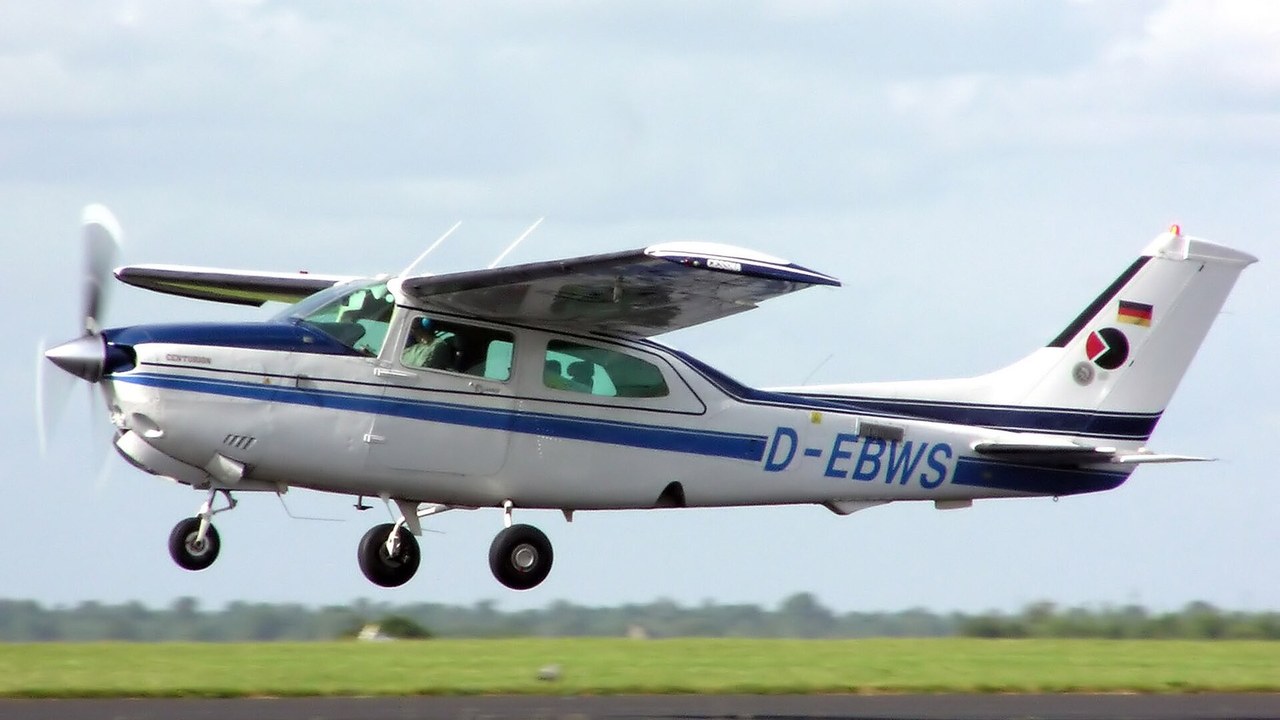
The plane, a 1972 Cessna 210L with tail number N29002, left New Orleans Lakefront Airport at about 2 p.m. on Tuesday, bound for Page Field in Fort Myers, Florida. About 30 minutes into the flight, while it was flying at about 8,800 feet just south of Pascagoula, Mississippi, it suddenly plunged toward the water — descending at about 10,000 feet a minute, according to flight-tracking data cited by the Coast Guard and the Federal Aviation Administration. Air traffic controllers in Mobile lost contact with the aircraft at about 3:45 p.m.
The Coast Guard launched air and surface crews within minutes, joined by the Mississippi Department of Marine Resources, Harrison County divers, Pascagoula police, the FBI and a U.S. Air Force C-130 crew. About two hours into the search, crews found pieces of the wreckage floating on the surface — the cabin, three life jackets and a life raft — but no sign of the six people aboard. It was not until early Wednesday that divers from the Mississippi Department of Marine Resources located all six bodies inside the fuselage, about two miles northeast of Horn Island.
This is a heartbreaking outcome, and our deepest sympathies are with the families and loved ones who are facing an unimaginable loss. While this is not the outcome any of us had hoped for, we are grateful for the strong interagency coordination that enabled us to swiftly locate those aboard the aircraft and provide closure to their families. — Cmdr. Trevor Blount, U.S. Coast Guard Sector Mobile search and rescue mission coordinator
The aircraft was registered to EAB Services, based in Cape Coral, Florida, according to FAA records. The Coast Guard has not released the names of the six people aboard, and no cause for the sudden descent has been given. The National Transportation Safety Board is leading the investigation, with the FAA assisting.
THE STORY SO FAR
About 2:00 p.m. Tuesday, November 24: the Cessna 210L, tail number N29002, takes off from New Orleans Lakefront Airport with six people aboard, bound for Fort Myers, Florida.
About 2:30 p.m.: roughly 30 minutes into the flight, the plane is at about 8,800 feet south of Pascagoula when flight-tracking data shows it suddenly plunging toward the water.
About 3:45 p.m.: air traffic controllers in Mobile report losing contact with the aircraft. The Coast Guard launches a search with air and surface crews, joined by state and local partners.
About 5:40 p.m.: search crews find wreckage on the surface — the cabin, three life jackets and a life raft — but no passengers.
Tuesday evening: the coordinated search runs for about four hours, with Coast Guard boats and aircraft, Mississippi marine patrol divers, Pascagoula police and an Air Force C-130 working the area around Horn Island.
Early Wednesday, November 25: divers from the Mississippi Department of Marine Resources find all six bodies inside the fuselage, about two miles northeast of Horn Island. The Coast Guard confirms there are no survivors and concludes the search.
WHAT THE NTSB INVESTIGATION WILL LOOK AT NEXT
A crash in which contact was simply lost, after a sudden and steep descent, leaves investigators with a short list of first questions, and the NTSB team will work through them in order. First, the wreckage itself: the fuselage and the engine will be recovered and examined for signs of mechanical failure, and investigators will check whether the plane's maintenance records show any recent work on the engine or the flight controls. Second, the flight data: radar tracks and any onboard recorders will be pulled to pin down exactly when the descent began and whether the pilot made any radio call before contact was lost. Third, the pilot and the flight plan: the pilot's qualifications and recent flight history, and the weather along the route from New Orleans to Fort Myers.
The NTSB usually publishes a preliminary report within a few weeks; a final report, with a probable cause, typically takes a year or more. Until then, the reason the Cessna fell out of the sky is not known — and any theory offered before the wreckage is examined is only a guess.
WHAT HAPPENS NEXT
The NTSB takes the lead on the investigation, with the FAA assisting, and the wreckage will be recovered for examination. The names of the six people aboard have not been released; the Coast Guard said the families are being notified, and the identities are expected to be released once that process is complete. The preliminary NTSB report, usually out within a few weeks, will be the first official account of what the data and the wreckage show. MythPost will update this story when the victims are identified and when the NTSB releases its first findings.
The Coast Guard is also part of the other sea search running this week: a man went overboard from Royal Caribbean's Allure of the Seas on Monday night, and the ship spent hours circling the water east of the Bahamas looking for him — MythPost covered that search as it happened.