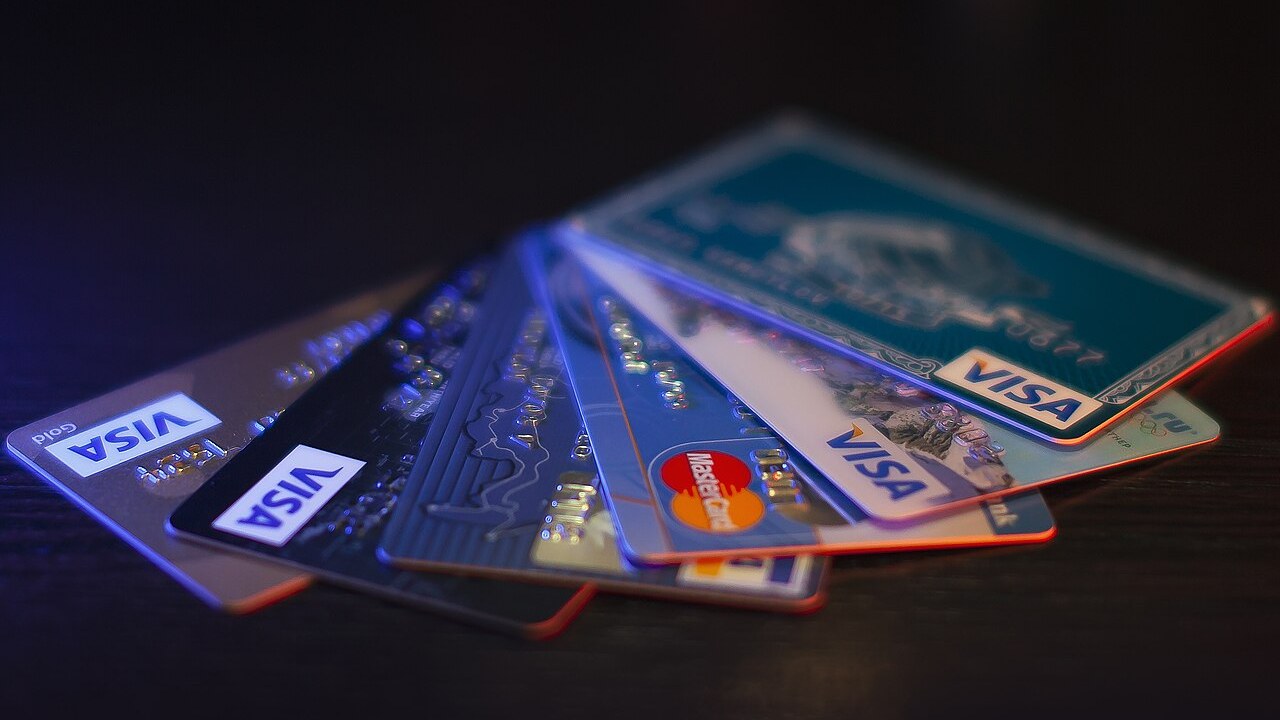
Hackers have published customer data belonging to Visa, Mastercard and JPMorgan Chase — and the first thing to know is what they did not get. No card numbers, passwords or account balances appear in any file researchers reviewed, and all three companies say their own systems were never breached.
The data came from an extortion group that calls itself n0n. On November 16 it listed all three on its dark-web leak site and gave them 48 hours to negotiate. When the deadline passed on November 19, it published the files — and within hours the story led the Dow Jones 9 PM ET headlines. The Wall Street Journal, citing SOCRadar, reported that n0n claimed responsibility.
What Leaked From Each Company
The biggest file is JPMorgan's: about 16,000 email addresses, some with phone numbers and account IDs, plus more than 100 employee email addresses. The records appear tied to the invitation-only Reserve card — usually for clients with at least $10 million in assets, per Newsweek — a ready-made target list for scammers, researchers say. The file is only 502 KB — researchers say it may be a sample, not everything the group claims to hold.
Visa's file covers 6,000-plus premium cardholders, mostly in Asia-Pacific dining and loyalty programs. It holds names, emails, phone numbers, messaging apps used, and restaurant booking dates and locations. Reuters found the records span Hong Kong, Taiwan, Korea, Japan, the Philippines, Singapore, Malaysia, Australia and Macau.
Mastercard's leak is the least clear: about 2,000 entries, badly formatted — Cybernews researchers say it may be test data, not genuine customer information. Mastercard says the incident exposed 'a limited amount of information from a subset of cardholders' in one benefit program, and that its payment network was not affected.
What did not leak matters just as much. No review of the files — by Cybernews or Reuters — has reported card numbers, passwords, Social Security numbers or account balances. Visa, Mastercard and JPMorgan all say the same: no payment data affected, no network impact, no disruption to services. Reuters also notes it could not verify the leaked data is authentic.
It Wasn't Visa, Mastercard Or Chase That Got Hacked
All three companies tell the same story: the break-in happened at outside marketing and loyalty vendors, not at Visa, Mastercard or Chase. Visa says its incident began at a third-party provider in Asia Pacific and that 'Visa's systems were not involved and were not impacted.' JPMorgan says attackers accessed 'certain marketing data' held by its vendors. None of the three has named the vendor — but Cybernews researcher Aras Nazarovas found the same file layouts in all three datasets: they look like one third party's work.
THE KEY NUMBERS
16,000 — JPMorgan Reserve customer email addresses in the published file, by the Cybernews count; Reuters counted more than 16,000.
6,000+ — Visa premium cardholders affected, mostly in Asia-Pacific dining and loyalty programs.
2,000 — Mastercard entries published, which researchers say may be test data.
502 KB — the JPMorgan file's size; researchers say it may be a sample, not everything the group claims to hold.
0 — card numbers, passwords or Social Security numbers reported in the leaked files.
48 hours — the deadline n0n set after listing the three companies on November 16.
$10 million — the assets a client usually needs for a JPMorgan Reserve invitation, per Newsweek, why researchers call it a ready-made phishing target.
The Real Danger Now Is Your Inbox
If your card number is safe, the danger is what comes next: phishing. A scammer holding your real name, email and card program can write a message that looks exactly like a breach notice — and JPMorgan's promised notices and free credit monitoring give them the perfect cover story. Americans already receive an average of 14 scam messages a day, per McAfee's 2026 State of the Scamiverse report.
Until those notices go out, treat every message about this leak as unverified — no company has published a lookup tool, and Visa and Mastercard have not said whether they will notify affected cardholders.
Spot The Fake Breach Notice
Five red flags, from the banks' guidance and McAfee's write-up: a 'verify your account' link — a real notice never asks you to log in through a link. A sender address that is almost chase.com, visa.com or mastercard.com, but not exactly. Any request for your full card number, PIN or one-time code — banks never ask for those. Any 'breach compensation' offer — no payout has been announced. And a caller claiming to be from a fraud team who pressures you to act now — hang up and call the number on the back of your card.
The safe routine is short: ignore links in breach messages; open your bank's app or type its address yourself; turn on transaction alerts; review statements; change any reused password and turn on multi-factor authentication.
If one gets through, report it: forward phishing emails posing as Chase to [email protected], forward scam texts to 7726, report fraud at ReportFraud.ftc.gov, and report money lost at ic3.gov. If someone opens accounts in your name, IdentityTheft.gov will build you a recovery plan.
THE STORY SO FAR
September 18, 2026 — n0n begins listing victims on its leak site.
November 9, 2026 — a placeholder entry for JPMorgan appears as 'Company #150', a week before it is named.
November 16, 2026 — n0n publicly names all three companies and sets a 48-hour deadline; the same day, Chase customers hit an unrelated outage the bank blames on a software bug.
November 17, 2026 — Cybernews reports the listings; Visa confirms a third-party incident in Asia Pacific.
November 19, 2026 — the deadline passes and n0n publishes all three datasets; Mastercard and JPMorgan confirm vendor incidents; JPMorgan promises direct contact and free credit monitoring; the story leads the Dow Jones 9 PM ET headlines.
WHAT HAPPENS NEXT
JPMorgan will contact affected customers and offer free credit monitoring, but has not said when those notices go out, or by email or mail. Visa and Mastercard have not said whether they will notify anyone; the vendors are still unnamed. The group also claimed far more than it published — hundreds of thousands of campaign interactions versus a 502 KB file — so more data may follow. But the phishing wave will not wait — guard against it this week.