Toyota is recalling 314,029 vehicles in the United States because the front passenger airbag in them can turn into a hazard in a crash. The inflators, made by the now-defunct supplier Takata, contain propellant that can degrade over time in heat and humidity. If the airbag deploys after that degradation, the inflator can rupture and send metal fragments through the airbag and into the cabin at high speed. Toyota announced the voluntary recall on November 12, and searches for "Toyota Recalls" surged this week after the federal safety filing behind it became public. The fix is a free replacement at any Toyota or Lexus dealer.
Which Toyotas And Lexuses Are Recalled
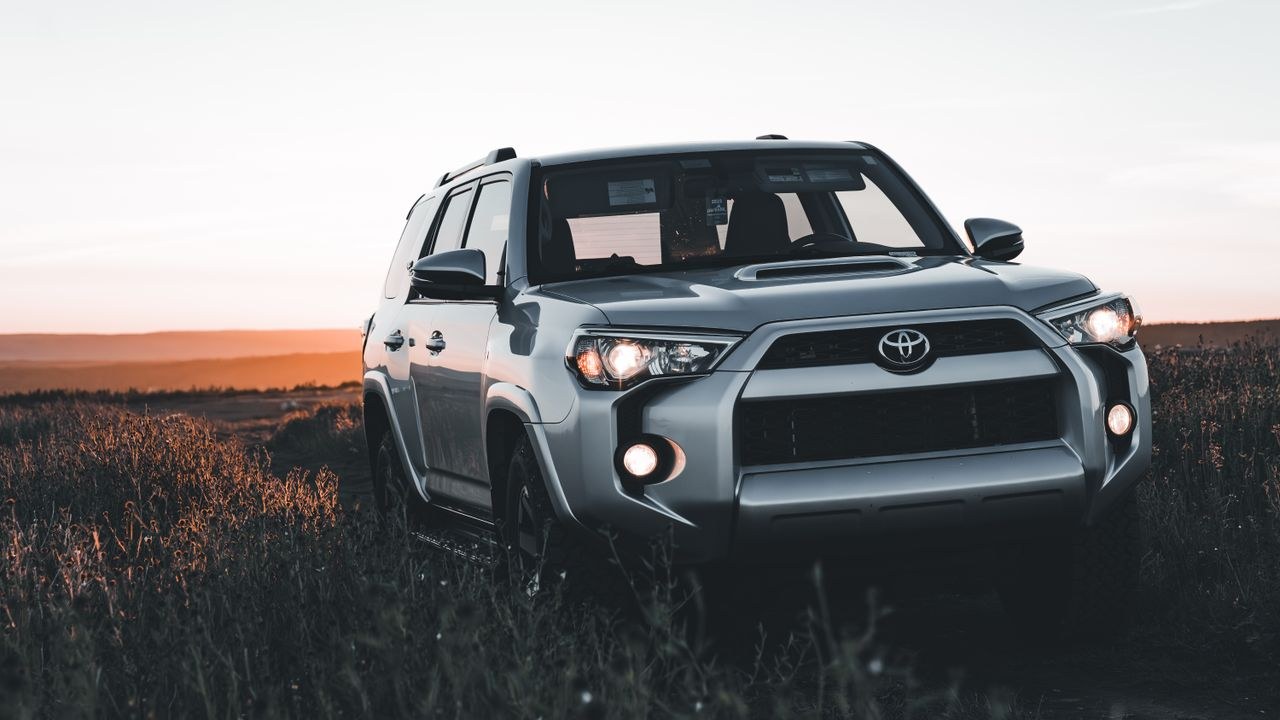
Seven models are on the list, spanning model years 2002 through 2017. The Corolla dominates it: about 232,000 of the 2003 to 2008 Corolla sedans are included, roughly three out of every four vehicles in the recall. The rest are the 2016 to 2017 Toyota 4Runner (about 36,000), the 2005 to 2006 Toyota Tundra (about 25,000), the 2005 to 2007 Toyota Sequoia (about 11,000), the 2002 to 2010 Lexus SC430 (about 1,064), the 2017 Lexus GX460 (about 8,931) and a single 2011 Lexus IS250. The total, 314,029 vehicles, comes from the filing Toyota made with the National Highway Traffic Safety Administration.
One detail catches a lot of owners out: the recall covers inflators fitted when the cars were built and inflators installed as replacement parts under an earlier recall. If your car already had a Takata airbag replaced once, that replacement can itself be part of this recall. The model name alone is not enough to clear a car — the only check that counts is the vehicle identification number.
Why These Airbags Can Turn Dangerous
The problem is the chemistry inside the inflator. Takata's inflators use phase-stabilized ammonium nitrate as a propellant, and that chemical breaks down after years of exposure to high humidity, high heat and repeated temperature swings. When the propellant degrades, the inflator can burn too fast on deployment and burst instead of inflating the bag in a controlled way. Toyota's own notice puts it plainly: an inflator rupture may cause metal fragments to pass through the airbag and into the vehicle interior at a high speed, which may result in injury or death to vehicle occupants.
This is the same defect behind the largest auto recall in American history. The Takata airbag recalls began in 2008 and eventually swept in about 67 million vehicles across many brands. Toyota says it is conducting this recall out of an abundance of caution: as of November 6, no ruptures involving these specific inflators had been reported to the company, and no injuries have been tied to them. The inflators in this batch are, in the agency's words, nearing the end of their estimated safe service life — which is why they are being pulled now, before a failure happens rather than after one.
The airbag is supposed to save you in a crash. In these cars, the part that inflates it can turn into shrapnel — which is why Toyota is replacing it free, before anything happens.
How To Check Your Car In 3 Steps
First, find your 17-digit VIN — it is on the driver's side dashboard where it meets the windshield, on the driver's door jamb sticker, or on your registration and insurance card. Second, enter it at toyota.com/recall or at nhtsa.gov/recalls, the federal database, or enter your license plate number instead. Third, if your car matches, call your nearest Toyota or Lexus dealer and book the repair: depending on the model, the dealer replaces either the front passenger airbag inflator or the whole airbag assembly, and Toyota says the work is free of charge.
Owner notification letters are scheduled to go out between December 28, 2026 and January 11, 2027, but there is no reason to wait for the letter — the VIN lookup works now, and dealers can confirm eligibility and book the repair today. Toyota's customer line is the Brand Engagement Center at 1-800-331-4331, and the NHTSA Vehicle Safety Hotline is 888-327-4236. The recall numbers on the filing are 26TB25, 26TA25, 26LB11 and 26LA11.
THE KEY NUMBERS
314,029 vehicles recalled in the U.S. — 2002 to 2017 model years, 7 models.
232,000 of them are 2003–2008 Toyota Corollas — about 74% of the whole recall.
36,000 are 2016–2017 Toyota 4Runners; 25,000 are 2005–2006 Tundras; 11,000 are 2005–2007 Sequoias.
8,931 are 2017 Lexus GX460s; 1,064 are 2002–2010 Lexus SC430s; 1 is a 2011 Lexus IS250.
0 ruptures reported involving these inflators, as of November 6, 2026.
$0 cost to owners — dealers replace the inflator or the airbag assembly free.
December 28, 2026 to January 11, 2027 — when owner notification letters go out.
67 million vehicles — the scale of the wider Takata airbag recalls since 2008.
THE STORY SO FAR
2008 — Takata airbag recalls begin over rupturing inflators; the defect eventually covers about 67 million vehicles in the U.S. across many brands.
November 12, 2026 — Toyota announces a voluntary safety recall of approximately 314,000 Toyota and Lexus vehicles in the U.S. over Takata front passenger airbag inflators.
November 19, 2026 — The NHTSA filing is published and Reuters reports the recall; searches for "Toyota Recalls" surge on Google in the United States.
November 20, 2026 — Fox Business, USA Today and Kelley Blue Book publish the full model list, the per-model counts and the December 28 letter date.
WHAT HAPPENS NEXT
Toyota will mail notification letters to all known owners between December 28, 2026 and January 11, 2027, but the VIN lookup at toyota.com/recall and nhtsa.gov/recalls is live now, and owners do not need to wait for a letter to book the free repair. Dealers will replace the front passenger airbag inflator or the whole airbag assembly depending on the model, and Toyota says the work costs owners nothing. NHTSA will keep the recall on its public database, so a used-car buyer can check any of these models by VIN before purchase — worth doing, since these are older cars that change hands often, and a 2003 to 2008 Corolla is exactly the kind of car that gets sold privately without a dealer ever checking its recall status.