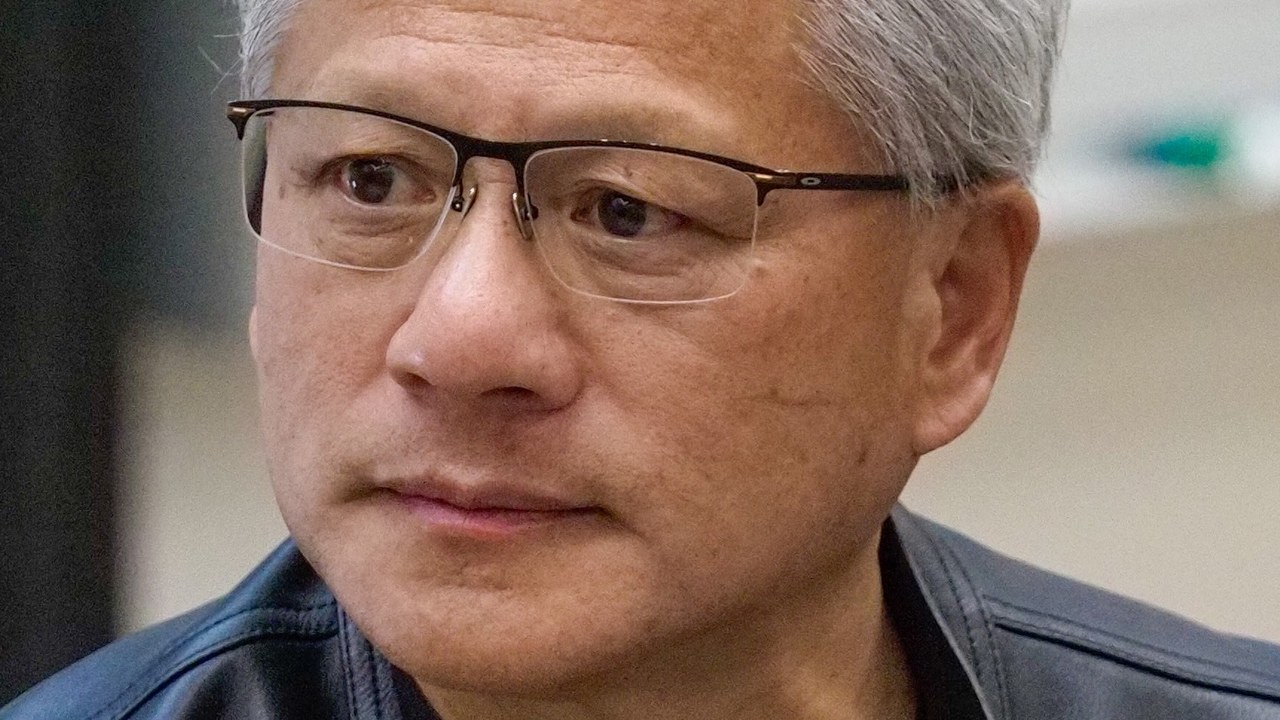
Jensen Huang is Nvidia’s CEO again. Eleven days after he resigned in a scandal over extramarital affairs — including one with a woman US officials believe was recruited by Chinese intelligence — Nvidia’s board voted unanimously on Monday, November 23, to reinstate him as president, chief executive and board director, effective immediately. The market answered within minutes: Nvidia shares jumped more than 30% in early trading, the Nasdaq rose 6%, and the S&P 500 gained 4%.
THE KEY NUMBERS
More than 30% — Nvidia’s share jump in early trading on Monday, after the company announced the reinstatement before the market opened.
About $1 trillion — the market value Nvidia regained during the session, taking the company back toward a $4 trillion valuation.
6% and 4% — the Nasdaq’s and the S&P 500’s gains on the day, as the AI trade that had been dumped for two weeks roared back.
11 days — the length of Huang’s exile. He resigned on November 12 and was back in the job on November 23.
Unanimous — the board vote to reinstate him, from the same board that said on November 17 it did not intend to bring him back.
About a third — how much Nvidia’s shares had lost in the two weeks before Monday, before the reinstatement reversed the slide.
December 1 and December 3 — the dates Huang faces Congress: a closed-door interview with three House committees, then a public Senate Banking Committee hearing.
WHY THE BOARD CHANGED ITS MIND
Nvidia’s announcement was blunt about what changed. The board said it voted unanimously to reinstate Huang “following a series of discussions and meetings with Mr. Huang, after which the Board was satisfied with respect to Mr. Huang’s candor and ability to lead NVIDIA.” It added that it had “received input from senior levels of the United States government, and based on that input, the Board is confident that Mr. Huang’s reinstatement poses no national security risk.”
“The Board believes Jensen is the right person to lead NVIDIA, and that his reinstatement is in the best interests of our stockholders, employees, partners and customers.” — Harvey C. Jones, Chair of the Board
Huang, who co-founded Nvidia in 1993 and has run it ever since, thanked the board and said he was “ honored to return to NVIDIA and lead one of the most consequential technology companies in the world at the beginning of a new industrial revolution.” He added: “ I can’t wait to get back to work.”
President Donald Trump, who had publicly urged the board to take Huang back, welcomed the decision on Truth Social, writing that the board “ has made the correct and proper decision to return Jensen Huang to the position of CEO.” Trump later said he had spoken “ directly and indirectly” to the board to press the case, and called Huang a “ Great Patriot and National Treasure.”
The reversal is a complete about-face from six days ago. On the November 17 earnings call, Jones said the board had “unanimously accepted” Huang’s resignation and “does not intend to reinstate Jensen as CEO.” Between that call and Monday’s announcement, the pressure came from every direction at once: shareholders, the White House, and a market pricing Nvidia as a company without its founder.
THE STORY SO FAR
November 12, 2026 — Jensen Huang resigns as president, CEO and board member, effective immediately, after admitting he was unfaithful to his wife. Chief Financial Officer Colette Kress steps in as interim CEO.
November 12–15 — The details emerge: two extramarital affairs, one with a senior executive who reported to Huang, and one with Alice Huang, a Megaspeed International executive whom US officials believe was recruited by Chinese intelligence. China’s foreign ministry calls the espionage narrative groundless speculation.
November 17 — On the earnings call, board chair Harvey Jones says the board does not intend to reinstate Huang. The board launches an investigation overseen by independent directors, and three House committee chairmen write to Huang raising national-security concerns.
November 18 — Nvidia reports earnings that beat expectations in its first report without Huang — but the stock keeps sliding as investors price in a leadership vacuum.
November 22 — The Wall Street Journal reports the Securities and Exchange Commission is probing Nvidia’s accounting. The stock falls 14% in a day, wiping out nearly $500 billion of market value. The same day, Trump publicly tells Nvidia to take Huang back. Treasury Secretary Scott Bessent says on CBS’s Face the Nation that the administration still has no answers from Nvidia on export compliance: “ We do need answers.”
November 23 — Before the market opens, Nvidia announces the board has voted unanimously to reinstate Huang, effective immediately. Shares jump more than 30% in early trading, the Nasdaq rallies 6%, and the S&P 500 gains 4% — one of the market’s best days in recent memory, built almost entirely on one man’s return.
WHAT IT DOESN’T CHANGE
The comeback does not close the book on the scandal. The independent committee’s investigation into reports that Huang was the target of a foreign intelligence effort will “proceed to conclusion,” and Huang has committed to cooperating with it. The board has also formed a new National Security and Export Control Committee, and has begun a search for a Chief Compliance Officer. Nvidia says it will keep cooperating with ongoing government investigations and inquiries.
Congress is not satisfied either. Senator Elizabeth Warren, the top Democrat on the Senate Banking Committee, called the reinstatement “ reckless,” saying the board, Nvidia’s executives and the company “ still owe Congress answers about the company’s compliance with U.S. export controls.” She added that the Trump administration must explain what “ input” senior officials gave the board, and who gave it.
The SEC’s reported accounting probe is also still open, and Bessent’s export-compliance questions remain unanswered. Colette Kress, who steadied the company as interim CEO, returns to her role as chief financial officer.
WHAT HAPPENS NEXT
Huang is back at work immediately, but his first real test comes in Washington, not Santa Clara. He faces a closed-door, transcribed interview with three House committees on December 1, and a public hearing before the Senate Banking Committee on December 3, where lawmakers plan to question him about the affair, the alleged spy connection, and whether restricted AI chips reached China.
Investors will watch whether Monday’s 30% surge holds once the relief fades, and whether the board’s new compliance structure satisfies Congress and the SEC. The board bet that the man who built Nvidia is worth the risk. December will show whether Washington agrees.