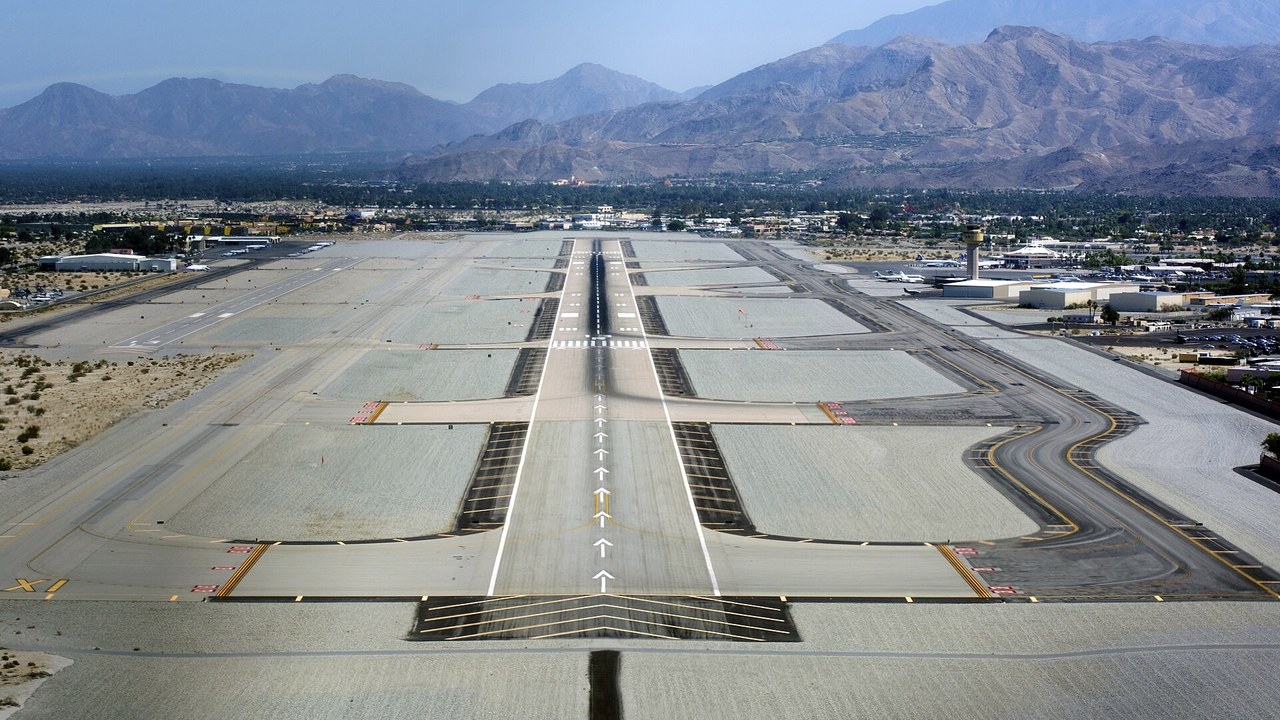
A new nationwide FAA rule takes effect today, Tuesday, November 24 — the first day of the busiest travel week of the year — and an air traffic controller has warned pilots it could slow departures at airports across the country. The rule, FAA Notice JO 7210.979, requires dedicated tower watch supervision whenever a plane pulls onto a runway to wait for takeoff clearance. It is a permanent safety change, not a holiday measure — but its first day lands on the same day 5.96 million Americans are due to fly for Thanksgiving.
The rule surfaced in an unusually public way. On Monday, November 23, an Albuquerque tower controller told the pilot of Southwest Airlines flight 344 about the change over the radio, explaining that from November 24, a plane may only perform a 'line up and wait' manoeuvre — pulling onto the runway to wait for takeoff clearance — if a separate supervisor is on duty solely to watch the runway. The controller said the change could slow departures, especially when towers are short-staffed.
What The Controller Actually Said
The controller's warning was plain. 'It's nationwide,' the controller told the Southwest pilot, explaining that the FAA now requires 'a standalone in-charge controller or supervisor behind us' before the procedure can be used. 'Right now, we can't be by ourselves to do it, so typically on the mid-watches, we're not allowed to do it. But now, they're extending it out throughout the day.' When another pilot asked whether the policy would extend through the holiday season, the controller replied that once it is in effect, 'it lasts forever' — and told the pilots to 'spread the word.'
The key change is a single word. Before this notice, FAA guidance said the controller watching the runway 'should' not be distracted by other jobs — a recommendation. The new rule upgrades that to 'must': the supervising controller has to be fully dedicated to watching the operation, with no other duties at the same time. The FAA's own notice says the change exists 'to elevate the safety standard for Line Up and Wait operations by removing ambiguity in staffing requirements.'
Could There Be Exemptions?
The Albuquerque controller also told pilots that exemptions might be possible. Medium-to-major airports — classified by the FAA as Level 8 through 12 — might be granted waivers from the new rule if airlines and pilots complain enough about delays. The Travel, which first reported the radio call, says it has contacted the FAA for comment. For now, though, the rule stands as written: no dedicated supervisor on duty, no line-up-and-wait operations.
The timing is what makes the warning matter. AAA expects 81.5 million Americans to travel between November 24 and November 30, including 5.96 million flying domestically. The TSA expects to screen nearly 17.6 million passengers in that window, with more than 3 million on Sunday, November 29 alone, and has advised travellers to arrive early. The worst days to fly are Wednesday, November 25 and Sunday, November 29; the best are Thanksgiving Day itself, November 26, and Saturday, November 28. Early-morning flights before 8 a.m. are historically the least likely to suffer cascading delays.
What This Means For Your Flight
It is important to be clear about what is known and what is not. No delays have been blamed on the new rule yet — it only takes effect today, and the warning is about what could happen, not what has happened. The rule is a staffing requirement inside air traffic control towers, not a restriction on flying, and it does not close runways or ground planes. What it can do is slow the pace of departures at towers that are short-staffed, because a second controller has to be free before a plane can be lined up on the runway. On a normal week that might barely register; on Thanksgiving week, with record passenger numbers, even small slowdowns can ripple through the day.
THE KEY NUMBERS
FAA Notice JO 7210.979, 'Line Up and Wait (LUAW) Operations Watch Supervision Requirement': effective Tuesday, November 24, 2026 — permanent, nationwide. AAA Thanksgiving travel forecast: 81.5 million Americans travelling November 24–30, including 5.96 million flying domestically. TSA: nearly 17.6 million passengers to be screened November 24–30, with more than 3 million on Sunday, November 29. Worst days to fly: Wednesday, November 25 and Sunday, November 29. Best days to fly: Thanksgiving Day, November 26 and Saturday, November 28. Exemptions: possible for Level 8–12 (medium-to-major) airports if airlines and pilots complain about delays.
THE STORY SO FAR
Before November 24, 2026: FAA guidance said the controller supervising a 'line up and wait' operation 'should' not be distracted by other duties — a recommendation, not a requirement. Friday, November 20, 2026: the TSA warns travellers to plan ahead and arrive early for Thanksgiving week, expecting nearly 17.6 million screenings. Monday, November 23, 2026: an Albuquerque tower controller tells Southwest Airlines flight 344's pilot about the new rule over the radio, warning it could slow departures and saying it 'lasts forever.' Tuesday, November 24, 2026: FAA Notice JO 7210.979 takes effect nationwide, on the first day of Thanksgiving travel week.
WHAT HAPPENS NEXT
The first real test comes today and tomorrow, as Thanksgiving-week traffic builds toward Wednesday, November 25 — one of the two worst days to fly. Watch for departure delays at busy airports, particularly at towers that are short-staffed, and for any announcement from the FAA about exemptions for Level 8–12 airports. Travellers can reduce their own risk the usual way: fly early in the morning, leave extra time at the airport, and check flight status before leaving home. The rule itself is permanent, so whatever happens this week, it will still be in force long after Thanksgiving is over.