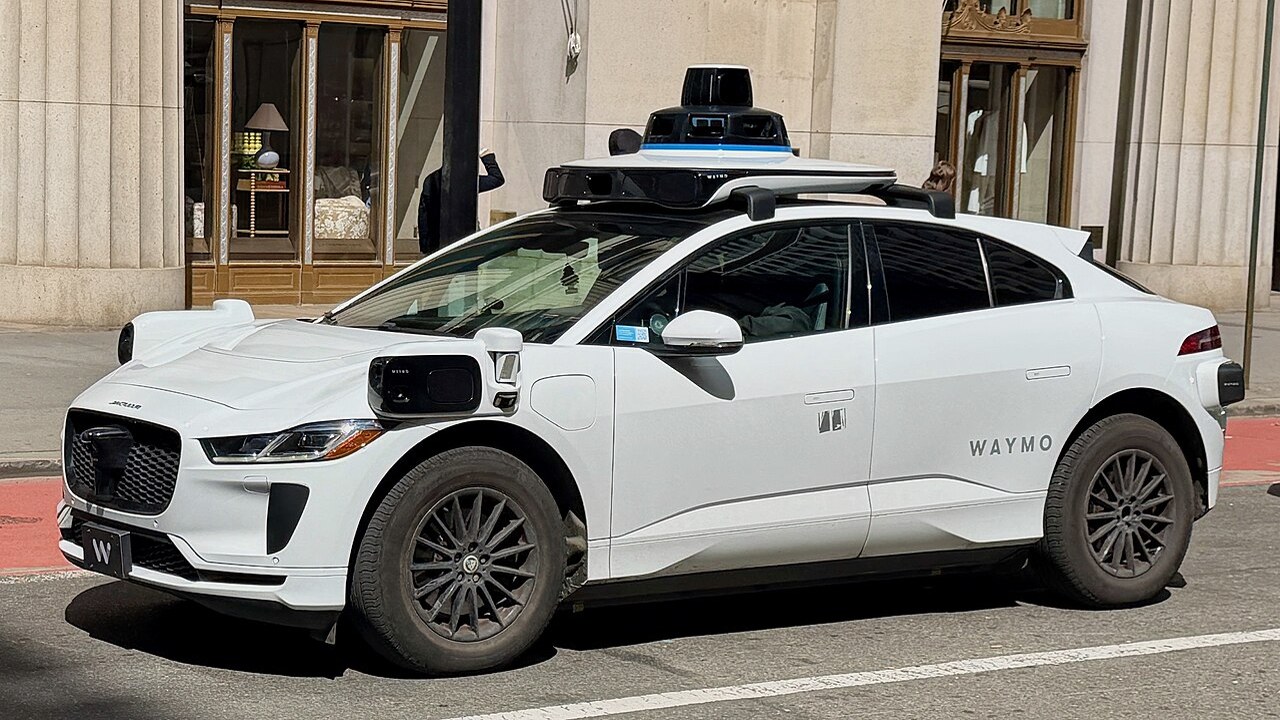
Waymo has pulled its driverless cars off every freeway in America. The Alphabet-owned robotaxi company said on Tuesday it has temporarily suspended all freeway rides in the United States — days after California’s Department of Motor Vehicles barred its driverless vehicles from the state’s freeways, declaring them an “imminent hazard to public safety.” The cars are not gone. They are still picking up passengers on city streets in 15 American cities. But at highway speed, the most advanced robotaxi fleet in the country is parked until further notice.
The ban landed on a specific set of incidents. On November 5, three Waymo robotaxis drove into an active construction closure on US Route 101 near Burlingame, south of San Francisco, where workers and equipment were present. A second incident, involving California Highway Patrol vehicles on Highway 280 in San Francisco, was also cited. The DMV said the incursions were recurring — its order notes similar incidents on May 18, and a prior restriction and corrective actions that did not stop them happening again. Its conclusion was blunt: Waymo’s driverless freeway operations “pose an imminent hazard to public safety due to recurring incursions by its vehicles into active construction zones where construction workers, vehicles and equipment are present.”
Why Waymo Went Further Than The Ban Required
California’s order binds only California. It took effect on November 11 and was made public on Tuesday, November 17 — first reported by the San Francisco Business Times. Waymo’s response went further than the order demanded. The company told TechCrunch it had “temporarily restricted freeway operations across our other operating markets to evaluate our performance” — pausing commercial freeway rides in San Francisco, Los Angeles, Phoenix, Miami and Austin, every market where it offered them. “In alignment with our safety-first principles,” a spokesperson, Dana Gallagher, told the BBC, the company is working with state officials “diligently and responsibly to resume freeway operations.”
The company stressed that nobody was hurt. No injuries or collisions were reported in the construction-zone encounters, and Waymo is still testing on freeways — with trained autonomous specialists sitting behind the wheel. The National Highway Traffic Safety Administration said it is in contact with the DMV and with Waymo and will take further action as appropriate. It is the second time this year Waymo has pulled its robotaxis from American highways, according to InsideEVs, and the freeway service had only been running since last November.
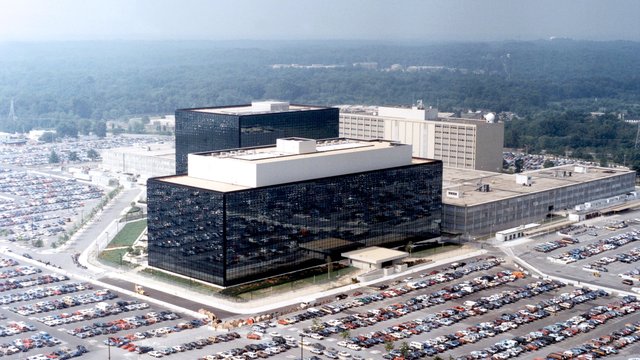
The timing sharpens the story. Waymo’s pause lands in the same week as a nationwide FAA ground stop, a JPMorgan Chase outage that slowed banking across the country, and an outage on the NSA’s classified internal network. Officials have said, in each case, that there is no evidence of a cyberattack and no link between the incidents — the DMV’s order is about construction zones, not hackers. But the pile-up has put every American system under the same microscope at once, and a robotaxi driving into a closed construction zone is the kind of image that sticks.
What Still Works — And What It Costs Waymo
For most riders, nothing changes. Waymo’s cars keep running on ordinary city streets in all 15 metro areas where it operates, completing more than half a million trips a week. Freeway rides were only ever offered in a handful of those cities, and only for part of the journey — the part that let a robotaxi cross a metro area at speed instead of threading through surface streets. Losing them does not strand the service, but it does strand the version of the service that looked most like the future: a driverless car, at highway speed, with nobody behind the wheel, taking you across town.
THE STORY SO FAR
May 18, 2026 — Waymo robotaxis enter active construction zones on California freeways; the DMV imposes a restriction and Waymo takes corrective action. November 5, 2026 — three Waymo vehicles drive into an active construction closure on US Route 101 near Burlingame; a second incident involves California Highway Patrol vehicles on Highway 280. November 11, 2026 — the California DMV issues an order barring Waymo’s driverless vehicles from operating or testing on state freeways. November 17, 2026 — the order becomes public; Waymo confirms it has temporarily restricted freeway rides in all its markets. November 18, 2026 — the BBC, Reuters and others report the nationwide pause.
WHAT HAPPENS NEXT
There is no end date and no timetable. The California ban stays in place until Waymo “demonstrates to the department that it has taken effective corrective actions to address the deficiencies that precipitated the restrictions” — the DMV’s words, not a deadline. Waymo has not said what fixes it plans, how long they will take, or when freeway rides might return. Until it does, the fastest driverless rides in America are the ones that never leave the city streets.