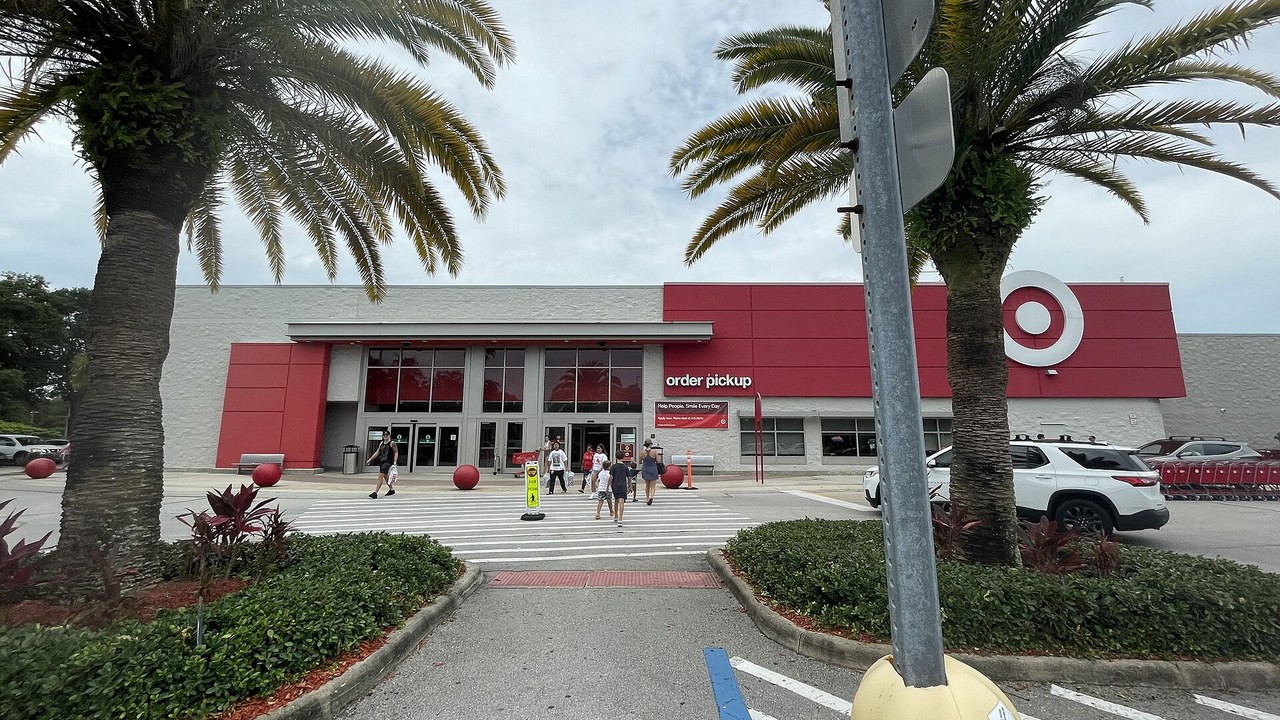
Target just posted the kind of quarter retailers dream about — and the stock still fell. The Minneapolis retailer reported third-quarter earnings of $2.65 a share before the market opened on Wednesday, November 18, crushing the $2.08 analysts had expected, on net sales of $27.1 billion, up 7.1% from a year ago. Comparable sales rose 5.6%, traffic was up 5.0%, and Target raised its full-year profit outlook. Shares slipped anyway — down in premarket trading and still lower in early afternoon trading. The beat was real. So was the reason investors shrugged.
The headline numbers are genuinely strong. Net earnings jumped 75.8% to $1.21 billion. Store comparable sales grew 4.6% and digital comparable sales rose 9.8%, and Target said sales grew across most of its core merchandise categories and across income groups, geographies and channels. It was the kind of broad-based quarter the company has been chasing since its sales slump — more shoppers, spending more, in stores and online at the same time. November sales so far are running in line with the company's guidance, Target said, accelerating from October's trend.
The scale of the surprise is worth spelling out. Analysts had expected $2.08 a share on $26.5 billion of sales, according to FactSet figures cited by the Associated Press. Target delivered $2.65 on $27.1 billion — beating the profit forecast by 57 cents and the sales forecast by about $600 million. Comparable sales were expected to rise about 3%; they rose 5.6%. On the numbers alone, this was one of the strongest retail reports of the season.
The $0.50 Catch In The $2.65
Here is the catch, and it is worth exactly 50 cents. Target's third quarter included $301 million of pretax tariff refund benefits — money coming back from tariffs it had already paid — worth $0.50 a share. Strip that refund out and adjusted earnings per share still rose 21% from a year ago, and GAAP earnings per share rose 42%. That is still a clear beat of the $2.08 forecast. But it is a smaller beat than $2.65 suggests, and the refund is a one-off: it will not repeat next quarter. The guidance raise carries the same asterisk — the new full-year earnings range of $10.65 to $11.40 a share includes about $2.14 a share in tariff refunds recognised so far.
The market's shrug has a second explanation: the stock had already run. Target shares were up more than 60% this year before the report, so a good quarter was partly priced in — and a beat built partly on a refund gave traders an excuse to take profits. It is a familiar pattern on earnings days: the numbers can be excellent and the stock can still fall, because the market was already expecting excellent.
THE KEY NUMBERS
Net sales: $27.1 billion, up 7.1% year over year. Comparable sales: up 5.6%, on traffic up 5.0%. Store comparable sales: up 4.6%; digital comparable sales: up 9.8%. Earnings per share: $2.65, against a $2.08 forecast and $1.51 a year ago. Net earnings: $1.21 billion, up 75.8%. Tariff refund: $301 million pretax, or $0.50 a share. Full-year guidance: earnings per share of $10.65 to $11.40, raised from $9.90 to $10.90; full-year net sales growth of about 6%.
THE STORY SO FAR
The quarter ended October 31, 2026. Target reported before the opening bell on Wednesday, November 18, and held its earnings call at 7:00 a.m. Central time. The report landed in the middle of retail earnings season and days before Black Friday week — and it marked the third straight quarter in which Target raised its sales outlook. Under new chief executive Michael Fiddelke, the company has now strung together improving traffic and sales after a bruising stretch, and the third quarter was its fastest sales growth in about five years.
WHAT HAPPENS NEXT
The real test starts now. The holiday quarter is Target's biggest of the year, Black Friday falls on November 27, and the question is whether the traffic growth holds when there is no tariff refund flattering the numbers. Target says November sales are tracking its guidance, which is the first checkpoint. The next hard numbers come with the fourth-quarter report, expected around March 2, 2027. For shoppers, the read-across is simpler: a retailer drawing more visitors heading into the holidays is a retailer with deals to move — and Target's holiday event is now the one to watch.
The bottom line: Target delivered a genuine beat, raised its outlook, and still watched its shares slip — because half a dollar of the headline number was a refund, and the market had already priced in a recovery. The quarter was strong. The stock's reaction says the easy part of the comeback is over. What investors want next is not another refund-assisted beat, but a holiday quarter that proves the traffic is real and the margins can hold without one-off help.