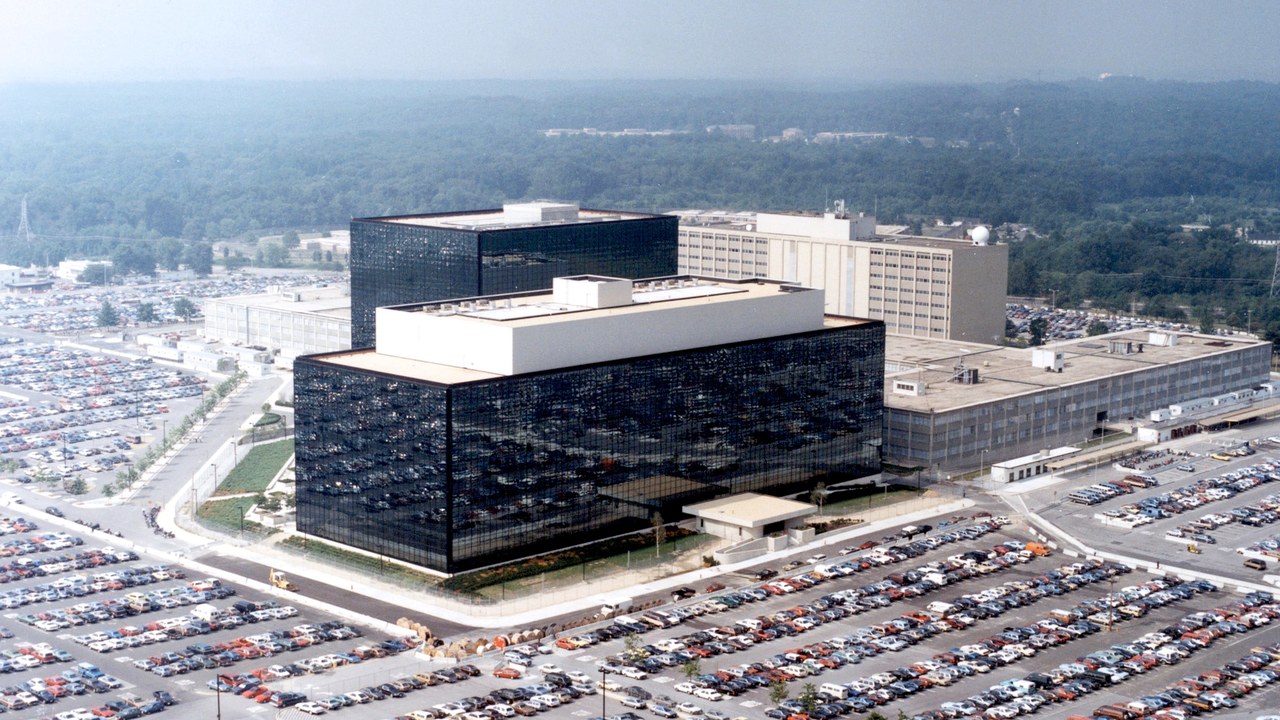
The network America's spies use to share their most secret information went down on Tuesday — and officials insist nobody hacked it. NSANet, the classified internal network the National Security Agency uses to move top-secret information between its own people, failed during scheduled routine maintenance at the agency's Fort Meade, Maryland, headquarters, slowing analysts' work and forcing staff to arrive in staggered shifts.
The outage was first reported by CNN, which cited six people familiar with the matter, and was quickly confirmed by other outlets. The Associated Press quoted a defense official, and the technology publication Nextgov reported the same failure, citing its own sources. All of them said the same thing about the cause: there is no evidence of a cyberattack.
The NSA's own explanation came on Tuesday afternoon. "The National Security Agency experienced temporary degradation during scheduled routine maintenance," the agency said in a statement. "While some internal systems were affected, mission-critical capabilities remain fully operational and our ability to defend national security continues."
The director of national intelligence, Jay Clayton, went further in a CNBC interview on Tuesday afternoon. He said the outage came from the agency applying a software patch to fix major software vulnerabilities discovered last month — flaws in PHP, the programming language that powers about 70 percent of the world's websites. "The patching that has gone on following that has caused some of these systems to not come back up when you patch them as expected," Clayton said. "This is not a cyber attack and this is not a coordinated effort by a nation-state."
The White House said the same. Spokesperson Lauren Bis told Newsmax the White House sees no evidence that the outage was a cyberattack. Two people familiar with the situation told another outlet that routine patching set off the failure, and that the network had been unstable for weeks before it finally went down.
Inside Fort Meade, the morning was strange. A recorded message on the employee information line described the situation as a "code yellow," the second-highest level on a three-tier system that decides whether staff report to headquarters or stay home. Non-emergency employees were told to arrive in staggered shifts, while emergency staff came in as usual. By Tuesday evening, the agency had reverted to its typical work schedule — though a source told CNN that afternoon that restoration was still underway and not yet complete.
What did not go down matters as much as what did. The NSA said its infrastructure is built with multiple layers of redundancy, and that urgent intelligence could still reach President Donald Trump during his trip to Asia — he was in the Philippines on Tuesday and is due in China on Wednesday for talks with Chinese President Xi Jinping and Russian President Vladimir Putin. The Five Eyes intelligence-sharing system with the United Kingdom, Canada, Australia and New Zealand was not affected, according to a source from one of those countries and a former US intelligence official quoted by CNN.
THE STORY SO FAR
Last month: major software vulnerabilities are discovered in PHP, the programming language behind roughly 70 percent of the world's websites. The NSA begins patching its systems to close the flaws.
Tuesday morning, November 17: NSANet, the NSA's classified internal network, goes down. A voicemail recording for employees calls the situation a "code yellow," and non-emergency staff are told to report in staggered shifts.
Tuesday around midday: Nextgov reports the outage at 12:17 p.m. ET, and CNN publishes its exclusive, citing six people familiar with the matter. Both say there is no sign of a cyberattack.
Tuesday afternoon: the NSA issues its statement blaming "temporary degradation during scheduled routine maintenance" and says mission-critical capabilities are fully operational. Director of National Intelligence Jay Clayton tells CNBC the failure followed a software patch — and rules out a cyberattack or a nation-state operation. The White House says it sees no evidence of a hack.
Tuesday evening: the agency reverts to its typical work schedule, though restoration work is still underway.
The wider week: the NSA outage is the latest in a run of American infrastructure failures. Microsoft's Outlook email went down worldwide on November 12, a nationwide FAA ground stop halted flights on Friday, bank payment systems were disrupted on Monday, United Airlines suffered a system outage, and Apple's iCloud and App Store went down on Tuesday. None of the outages has been attributed to a cyberattack, and there is no evidence they are connected.
WHAT HAPPENS NEXT
The NSA has not said when NSANet will be fully back, or what the maintenance was supposed to do. The agency has also not said how long the network was down, or how many of its systems were affected. What is clear is that the patching program that caused the failure will now be under a microscope — the same patches meant to close the PHP vulnerabilities are the ones that stopped the network coming back up. Expect the agency to explain, in its own careful way, what went wrong with the update — and expect the lawmakers who oversee intelligence to ask the same questions in private.
WHAT THIS DOESN'T MEAN FOR YOU
NSANet is an internal government network. It carries classified information between NSA employees — it does not carry your phone calls, your internet traffic, your banking or your email, and none of those were affected by this outage. Your home internet, your bank app and public websites kept working normally all day. And if a message, post or email tells you to click a link or reset a password "because the NSA was hacked," ignore it — that is exactly the kind of scam that circulates while a real outage is in the news.