America finally knows why it stopped flying on Friday. At a press conference on Saturday, Transportation Secretary Sean Duffy said the nationwide ground stop was triggered during routine upgrade work by federal contractor L3Harris, whose workers were replacing old copper telecom wires with fiber at a remote FAA location when the system went down. The failure grounded every departing flight in the country for more than four hours — the second nationwide ground stop since the September 11, 2001, terrorist attacks.
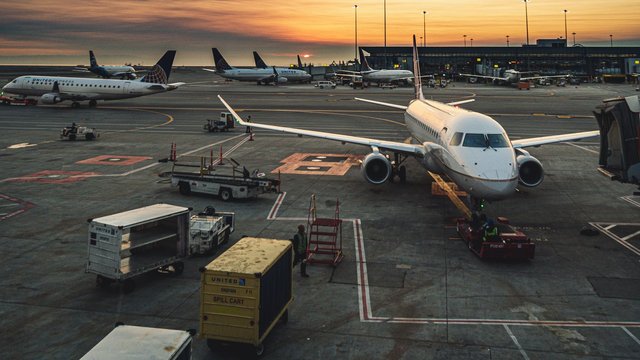
The ground stop was issued soon after 3:36 p.m. ET on Friday, November 13, and lifted at 8:15 p.m. that evening. More than 3,500 airplanes were already in the air when the order went out, and all of them landed safely. But on the ground, nothing moved: more than 20,000 flights were scheduled during the stoppage, and about 12,000 of them were lost, according to FAA Administrator Bryan Bedford.
The Router That Flooded The System
According to Duffy, the trouble started with a single piece of equipment. As workers switched the FAA’s communications network from copper to fiber, the router being installed began flooding the system’s other routers — firing off more than 1,000 connection attempts every four to five seconds. The flood disrupted communications with airplanes and scrambled radar feeds, and the instability showed up at 17 of the FAA’s 22 en route facilities, the centers that monitor medium- and high-altitude traffic.
Officials isolated the defective equipment within 45 minutes and took the router offline before restarting the system. No facility “went dark,” Bedford said, and no communication was fully lost — but with the cause still unclear at the time, the FAA ordered a full ground stop out of an abundance of caution. “This was an FAA system that didn’t meet the moment,” Duffy said. “Our contractor didn’t meet the moment, or the equipment didn’t meet the moment and caused the outages.”
“What we’re working to determine was whether we had incompetence — meaning, was it user error or installator error from L3Harris — or did they install a faulty router? We haven’t determined what the fault was. Was it the router? Or were they not doing great work for us at L3Harris?” — Transportation Secretary Sean Duffy, November 14, 2026
What It Was Not
Within hours of the ground stop, theories were spreading online that a cyberattack — or an AI software rollout — had taken down the system. Officials were blunt in ruling that out. Duffy said investigators “don’t believe” a cyberattack or foreign interference caused the incident, and Bedford said there was “zero evidence” of anything nefarious and “zero evidence of anything AI related.” Homeland Security Secretary Markwayne Mullin had said the same on Friday night, telling reporters there was “no prior indication as of yet that this was nefarious attack against us.”
Saturday’s Mess Is Still Unfolding
Lifting the ground stop did not end the disruption. Airlines spent Saturday getting planes and crews back into position, and the cancellations kept coming: by Saturday afternoon, 4,467 flights across the United States were canceled and another 4,430 delayed, according to FlightAware. Bedford estimated up to 5,000 of Saturday’s roughly 41,000 scheduled flights would be canceled. Delta, United and American Airlines each canceled about 20 percent of their Saturday flights, while JetBlue canceled 40 percent, according to Reuters.
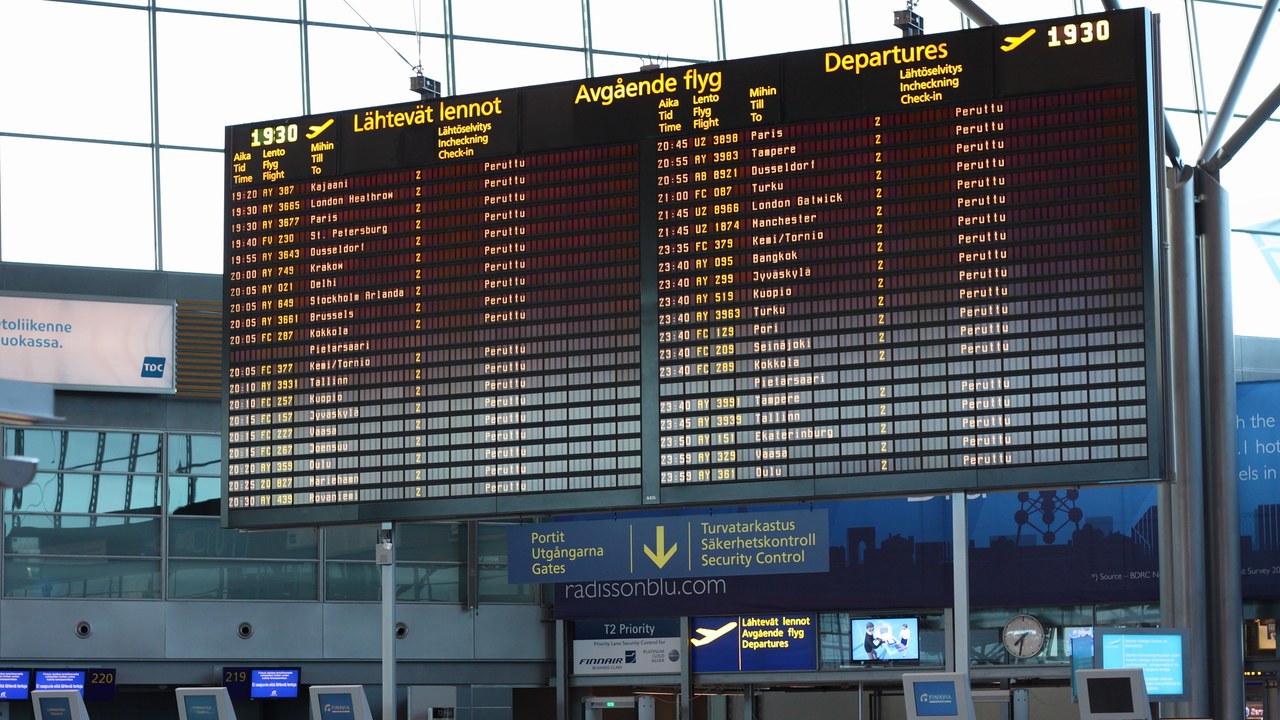
Passengers felt it at every major hub — Atlanta, Chicago O’Hare, New York’s JFK and Dallas-Fort Worth. Some travelers slept on terminal floors on Friday night after their flights were canceled. Delta told customers that if their plans allowed, they should move their flights to Monday, November 16, or later. Bedford said the worst was behind the system and airlines expected full schedules back by the close of business on Sunday, November 15.
Why A Routine Upgrade Could Stop A Country
The upgrade at the center of the failure is part of a decades-long project to drag the FAA’s communications network out of the copper-wire era. L3Harris manages the FAA Telecommunications Infrastructure, which supports about 45,000 flights a day and connects more than 4,400 facilities — and the company says it has already completed more than 70 percent of the planned conversion from copper to fiber. The old copper lines are being discontinued, and Duffy noted that virtually every other institution in America made the same switch years ago. “I guess maybe the FAA is the last one to be doing this work because the investments haven’t been made,” he said.
Duffy used the press conference to renew his call for Congress to authorize $50 billion in new funding for a state-of-the-art air traffic control system, a request he first made on Friday night. He said AT&T, Verizon and Lumen are working with the government on the new architecture, but until it is built, “I’m stuck with L3Harris, who owns this network.” In a statement, L3Harris said it was supporting the FAA’s investigation and took the ground stop “and its impact on travelers, airlines and air traffic operations seriously.” Democrats lashed out at the administration over the breakdown, and New York Governor Kathy Hochul called for a congressional investigation and demanded that Duffy resign or be removed.
THE STORY SO FAR
Friday, November 13, about 3:36 p.m. ET — The FAA sees instability in radar data and communications at its control centers and issues a nationwide ground stop, halting all departures in the United States.
Friday, November 13, 8:15 p.m. ET — The ground stop is lifted after more than four hours. Over 20,000 flights were scheduled during the stoppage and about 12,000 were lost.
Friday night, November 13 — Duffy calls on Congress to authorize $50 billion for a new air traffic control system. Passengers whose flights were canceled sleep on terminal floors at airports including JFK.
Saturday, November 14 — At a press conference, Duffy and FAA Administrator Bryan Bedford reveal the cause: a router installed during a routine L3Harris copper-to-fiber upgrade flooded the air traffic system. They rule out a cyberattack, foreign interference and AI. By Saturday afternoon, 4,467 flights are canceled and 4,430 delayed.
WHAT HAPPENS NEXT
Investigators must now determine whether the failure was an installation error by L3Harris workers or a faulty router — a root-cause analysis Duffy said will shape how the FAA handles future maintenance. Airlines expect full schedules back by the end of Sunday, November 15, but travelers flying this weekend should still check with their airline before heading to the airport. Congress now faces Duffy’s $50 billion request to rebuild the air traffic control system — with Thanksgiving, the busiest travel season of the year, only weeks away.