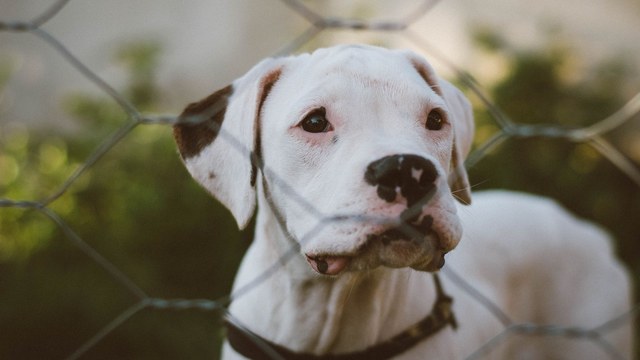
On November 2, a volunteer at a Houston animal shelter felt drawn to a small pup who looked especially heartbroken in his kennel. His name was Lindor, a chihuahua, and he was doing what scared shelter dogs do: making himself small, staying quiet, waiting for the noise to stop. The volunteer, known on TikTok as @bristexastails, works with rescue dogs across Texas to help them find families. She sat with him, comforted him, and filmed it. Three days later, on November 5, Lindor was adopted.
A Few Minutes Of Comfort
The video is simple, and that is why it works. It shows Lindor going from scared and pitiful to scampering and playful — the whole transformation in the space of a few minutes of attention from one person who stopped and sat down. A blogger at PetHelpful put it well: suddenly, a few minutes of comfort helped BARC Animal Shelter in Houston feel a little more like home. The TikTok drew more than 200 comments and almost 1,000 shares, and the comments did what comments on a video like this always do: they filled up with people asking where he was and how to meet him.
Why The Kennel Breaks Them
Anyone who has walked a shelter kennel row knows the look Lindor had. Dogs that are warm and playful at home go quiet in a kennel — the concrete, the barking, the strangers passing without stopping. Small dogs have it worst, because the world looks enormous from their height and the kennel looks like the whole of it. Shelter workers will tell you the same thing: the dog you see in the kennel is often not the dog at all. It is the dog under stress. Take the same dog out of the kennel, sit on the floor with it for five minutes, and a different animal appears — the one Lindor became on camera. That is why the best shelters now assess dogs outside their kennels, in play yards and quiet rooms, and why the volunteers who film those moments have become so important: the camera catches the dog the kennel hides. A listing can tell you a dog’s age and weight. A thirty-second video tells you whether he leans into a hand or flinches from it — and for most adopters, that is the whole decision.
The Volunteers Who Film It
Lindor's story is also a story about the volunteers who have quietly become the most effective adoption engine shelters have. A single phone video — no budget, no production, just a person and a dog — can do what a listing on a website cannot: it shows a personality. @bristexastails is one of many volunteers across Texas doing exactly this, filming the dogs other people walk past and giving each one a few minutes of fame. Shelters have noticed. More and more of them now hand volunteers the phone and the password, because a dog that gets seen gets adopted, and a dog that gets adopted makes room for the next one.
What Happens After Adoption Day
Adoption day is not the end of a shelter dog's story — it is the start of a second one, and the first weeks matter more than people think. A dog like Lindor, small and sensitive, needs time to learn that the new house is not another kennel: that the door will open, that the food will come back, that the hands reaching for him are safe. Trainers call it the 3-3-3 rule — three days to decompress, three weeks to learn the routine, three months to feel at home — and it fits a dog like Lindor exactly. The first three days are the quiet ones. By week three, the scampering the TikTok showed starts happening in a living room instead of a kennel. By month three, the scared dog in the video is unrecognizable, and that is the point: the dog in the kennel was never the real dog. The real one was waiting for someone to sit down. The first days are the hardest, and the most rewarding — that is when a shelter dog learns the new house is home.
Lindor is home now, and that is the whole story — a scared little dog, a volunteer with a phone, and three days between a kennel and a couch. If you have ever scrolled past a shelter video and kept going, this is the week to stop on one. Share it, or better, go and meet the dog in it. Somewhere in a kennel near you, there is a Lindor waiting for someone to sit down for five minutes. BARC and shelters like it take in thousands of dogs a year, and every one of them has a version of Lindor’s video waiting to be filmed — all it needs is someone willing to stop, sit, and press record.