The Women's World Cup is coming back to America. FIFA confirmed on Monday that the United States will lead the hosting of the 2031 FIFA Women's World Cup — the biggest edition in the tournament's history, with 48 teams and 104 matches, spread across four countries.
The decision was made at a virtual Extraordinary FIFA Congress on Monday, November 23, where FIFA's 211 member associations appointed the hosts by acclamation. The United States, Mexico, Costa Rica and Jamaica will share the 2031 tournament, while England, Northern Ireland, Scotland and Wales were confirmed as the hosts of the 2035 edition.
It will be the third time the United States has hosted the Women's World Cup, after the landmark 1999 tournament and the 2003 edition, and the first time the tournament has been staged across four countries. The 2031 edition is also the first to feature 48 teams, up from the 32-team format, with 104 games on the schedule — the largest Women's World Cup ever played.
Which Cities Will Host The Games?
That part is not decided yet. The bid put forward a choice of stadiums in 20 cities — 14 in the United States, four in Mexico, plus San José in Costa Rica and Kingston in Jamaica — and the final list of host cities, stadiums and match schedules will be announced later. U.S. Soccer said additional details on host cities, stadiums, schedules and ticketing will be announced as planning progresses.
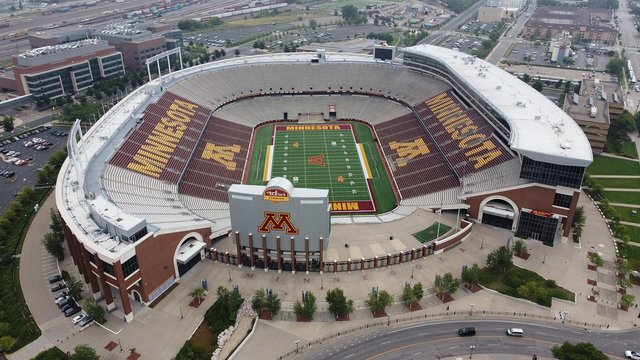
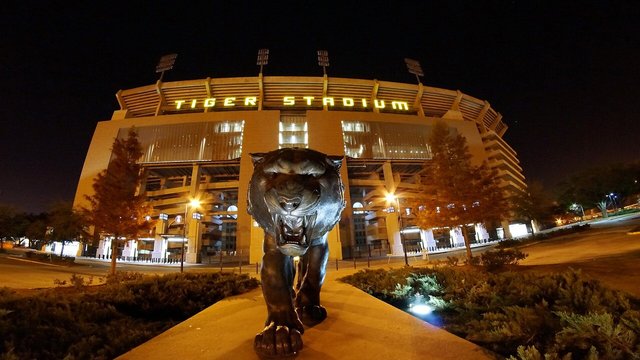
The American share is the big one: 14 of the 20 proposed cities are in the U.S., which is why the tournament is being described everywhere as a USA-led World Cup, even though three other nations are officially co-hosts. The final pick of which American cities make the cut is still to come, and it will be one of the biggest sports decisions of the next few years — a World Cup match is the kind of event that fills an 80,000-seat NFL stadium.
What FIFA And U.S. Soccer Said
"Our objective, of course, is making women's football truly global, and to build the future together with all Member Associations and with all stakeholders. Today, we decide here on the hosts of the FIFA Women's World Cup 2031 and 2035. This is a proud moment for you, this is a proud moment for us, for all of us." — FIFA President Gianni Infantino, speaking at the Extraordinary Congress.
"We are incredibly honored and excited to welcome the world to the United States, Mexico, Costa Rica and Jamaica for the 2031 FIFA Women's World Cup. Together with FIFA, we want to deliver the biggest and most impactful Women's World Cup in history and use its success to accelerate the growth of women's soccer around the world." — U.S. Soccer President Cindy Parlow Cone.
THE STORY SO FAR
1991 — The first Women's World Cup is played in China, with just 12 teams. The United States wins the inaugural edition. 1999 — The U.S. hosts the tournament for the first time, and Brandi Chastain's winning penalty against China in front of a packed Rose Bowl becomes a watershed moment for women's soccer in America. 2003 — The U.S. hosts again, stepping in at short notice after China loses the tournament to the SARS outbreak. 2023 — Australia and New Zealand join forces to stage the tournament, the first co-hosted edition. March 2025 — The FIFA Council opens the bidding processes for the 2031 and 2035 Women's World Cups. November 23, 2026 — FIFA's member associations meet virtually at an Extraordinary Congress and appoint the hosts by acclamation, almost exactly 35 years after the opening match of the inaugural 1991 edition.
WHAT HAPPENS NEXT
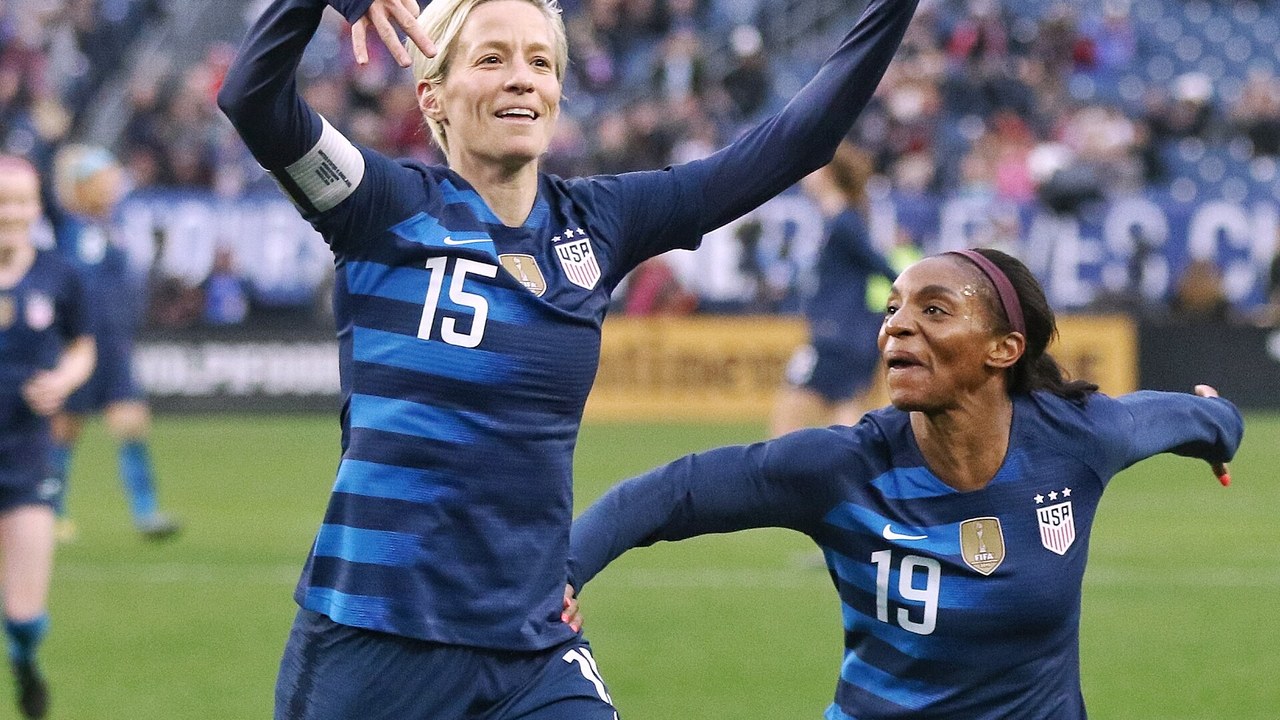
The next Women's World Cup comes first: Brazil hosts the 2027 edition, the last before the expansion to 48 teams. Then the build-up to 2031 begins in earnest — the final host cities will be picked, stadiums confirmed, the match schedule drawn up, and tickets put on sale. For the U.S. women's national team, a home World Cup is the biggest stage in the sport: the Stars and Stripes will be chasing a record-extending fifth World Cup title on home soil, hoping to rekindle the magic of 1999.
America's Decade Of Mega-Events
The 2031 announcement caps an extraordinary run that is turning the United States into the epicenter of world soccer. The U.S. hosted the Copa América in 2024 and the FIFA Club World Cup in 2025, hosts the men's World Cup next summer, and stages the Summer Olympics in Los Angeles in 2028. Add a home Women's World Cup in 2031, and American fans will have had a front-row seat to every major tournament in the sport within seven years — a stretch no other country has ever had.
For the women's game, the scale of 2031 is the point. FIFA's president said the two editions should reach 'far beyond the pitch' — more women players, more girls inspired, more women coaches, referees and administrators. A 48-team, 104-game tournament across four countries is the biggest bet women's soccer has ever made on itself, and it starts in America.