Chase, Bank of America, Wells Fargo, U.S. Bank and Zelle all went down at the same time on Monday afternoon, leaving thousands of Americans unable to log in, check a balance or send money. Chase says the problem is a technical bug — not a cyberattack — and that customers still have access to their accounts and their money.
The trouble started late Monday morning and snowballed through the afternoon. Downdetector, which tracks user reports of outages, saw a sharp spike in complaints about Chase at about 9:48 AM Eastern, and the reports kept climbing. By about 2 PM Eastern, more than 4,700 Chase customers had reported problems. Bank of America had passed 2,000, Wells Fargo 1,000 and U.S. Bank 1,060, while Zelle, the payment network that moves money between bank accounts, drew more than 500 of its own.
What Customers Actually Saw
For Chase customers, the app greeted them with a blunt message: “Some services aren’t available. We’re working on them. Please try back later.” Some could not log in at all; others got in but could not see transactions or make payments, and one customer told Gizmodo he could log in but could not even see his routing number.
Bank of America customers who tried the website were met with a screen reading “The system is currently down,” and Wells Fargo said on its own website that “online banking is temporarily unavailable.” Zelle payments were delayed or failing, and U.S. Bank warned that Zelle payments with another bank “may experience transaction delays.”
THE KEY NUMBERS
9:48 AM ET — when Downdetector first saw the spike in Chase outage reports on Monday, November 16.
4,700+ — Chase customers reporting problems by about 1:55 PM ET, the highest of any bank in the outage.
2,000+ — Bank of America customers reporting problems by the same time; Wells Fargo passed 1,000 and U.S. Bank passed 1,060.
530 — outage reports for Zelle, the payment network, plus 188 for PNC Bank.
What The Banks Said
Chase was the first to confirm the problem. Its support account on X told customers it was “working to resolve an issue with online banking,” and a spokesperson told the Associated Press: “Due to a technical issue, some transactions are taking longer than usual to complete but customers still have access to their accounts and funds. We are working to resolve this as quickly as possible.”
Chase also told Gizmodo directly that the disturbances were “not cyber related.” NBC News, citing a source familiar with the matter, reported the cause was a “technical bug, not a cyber issue.” Wells Fargo confirmed it was experiencing issues too. Bank of America declined to comment.
Zelle pointed the finger back at Chase: a representative said a technical issue on its platform originated there. U.S. Bank told Gizmodo its own systems were “not directly impacted,” and that the delays its customers saw were limited to Zelle payments with another bank.
Why Everyone Is Talking About A Blackout
Within hours, social media was full of a much darker theory: that the bank outages were a cyberattack, or the start of a 90-day nationwide blackout. There is no evidence for either claim. No bank has reported a hack, no federal agency has announced a blackout, and the one bank that has explained its problem — Chase — says it is a technical bug.
The theory is spreading because the timing feels like a pattern: it is the third big American systems failure in four days. Last week, a Microsoft outage knocked out Outlook, Teams and other services worldwide for more than 24 hours, and on Friday a single faulty router forced the FAA into a nationwide ground stop that delayed more than 10,000 flights. In both cases, the companies involved said the cause was technical and ruled out a cyberattack. Three technical failures in one week is a real story about aging infrastructure. A coordinated attack is not — nothing reported so far supports one.
THE STORY SO FAR
Last week — Microsoft’s worldwide outage takes Outlook, Teams and Exchange offline for more than 24 hours; Microsoft rules out a cyberattack.
Friday, November 13 — A faulty router installed during a copper-to-fiber upgrade floods the FAA’s air traffic system, forcing a nationwide ground stop of about four hours; more than 10,000 flights are delayed.
Monday, November 16, about 9:48 AM ET — Downdetector sees a sharp spike in Chase outage reports: customers cannot log in, see transactions or make payments.
Monday morning — Chase Support confirms on X that it is working to resolve an issue with online banking.
Monday afternoon — Reports climb past 4,700 for Chase, 2,000 for Bank of America and 1,000 for Wells Fargo. Zelle says its issue originated with Chase, and Chase tells reporters the cause is a technical bug, not a cyberattack.
WHAT HAPPENS NEXT
Chase is working on a fix but has not said when online banking will be fully back to normal, so the honest answer for now is: keep checking. The next things to watch are an official all-clear from Chase, an explanation from Bank of America and Wells Fargo about what hit them, and whether Zelle payments clear once Chase is fixed — Zelle says its problem started there. If the banks stay quiet much longer, expect regulators to ask the same question they asked after the FAA ground stop: how many single points of failure are left in systems millions of Americans depend on every day.
What To Do If Your Bank App Is Down
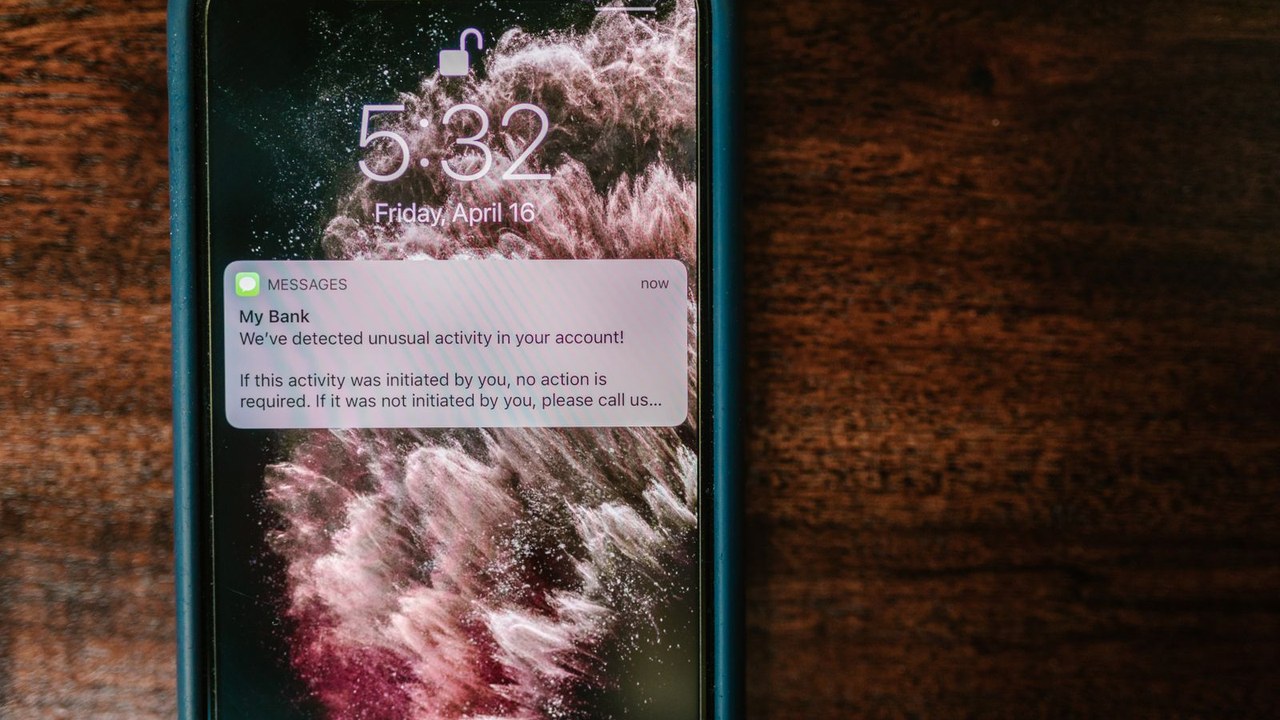
First, do not panic about your money: Chase has said plainly that customers still have access to their accounts and funds, even while some transactions take longer than usual. If the app will not cooperate, try again in an hour, or use an ATM or a branch for anything urgent. Second, do not click links in texts or emails claiming to be your bank and offering to “fix” the outage — scammers move fast when a big bank is down, and your bank will never ask you to log in through a link in a message. And if a payment cannot wait, use a different method rather than retrying the same failed transfer over and over: repeated attempts can queue up duplicate payments once the system comes back.