Yes. Kayem Foods recalled about 1.58 million pounds of ready-to-eat meat and poultry — hot dogs, bacon, sausage and deli meats — and the recall is real, federal, and still open. If you have Kayem, Al Fresco or McKenzie products in your freezer, the check takes two minutes: look for one of three establishment numbers inside the USDA mark of inspection on the package.
The recall itself is not new — the U.S. Department of Agriculture announced it on October 17. What is new is the surge. Searches for the Kayem Foods meat recall passed 200,000 in the United States on Thursday, and a viral Instagram carousel warning that dangerous hot dogs may be hiding in your freezer has been shared widely since November 25. The reason the story keeps coming back is the calendar: some recalled packages carry best-by dates running into early 2027, so a pack bought months ago can still be sitting in a freezer today — on the one day of the year when millions of Americans are cooking for a crowd.
THE KEY NUMBERS
1,584,361 — pounds of ready-to-eat meat and poultry recalled, the figure the USDA published on October 17.
9 — brands covered: Kayem, Genoa, Al Fresco, Triple M, McKenzie, Deutschmacher, Jordan's, Essem and Winnisimmet.
3 — establishment numbers to check: EST. M/P 7839, EST. P 20935A and EST. M 9520, printed inside the USDA mark of inspection.
March 31 to October 7, 2026 — the production window for the recalled products, which were shipped between June 7 and October 14.
Nationwide and Hong Kong — where the products went, to retail stores and foodservice locations.
0 — confirmed illnesses reported from eating the recalled products, as of the recall announcement.
Class I — the USDA's most serious recall rating, meaning there is a reasonable probability that eating the food could cause serious illness or death.
WHAT'S ACTUALLY IN THE RECALL
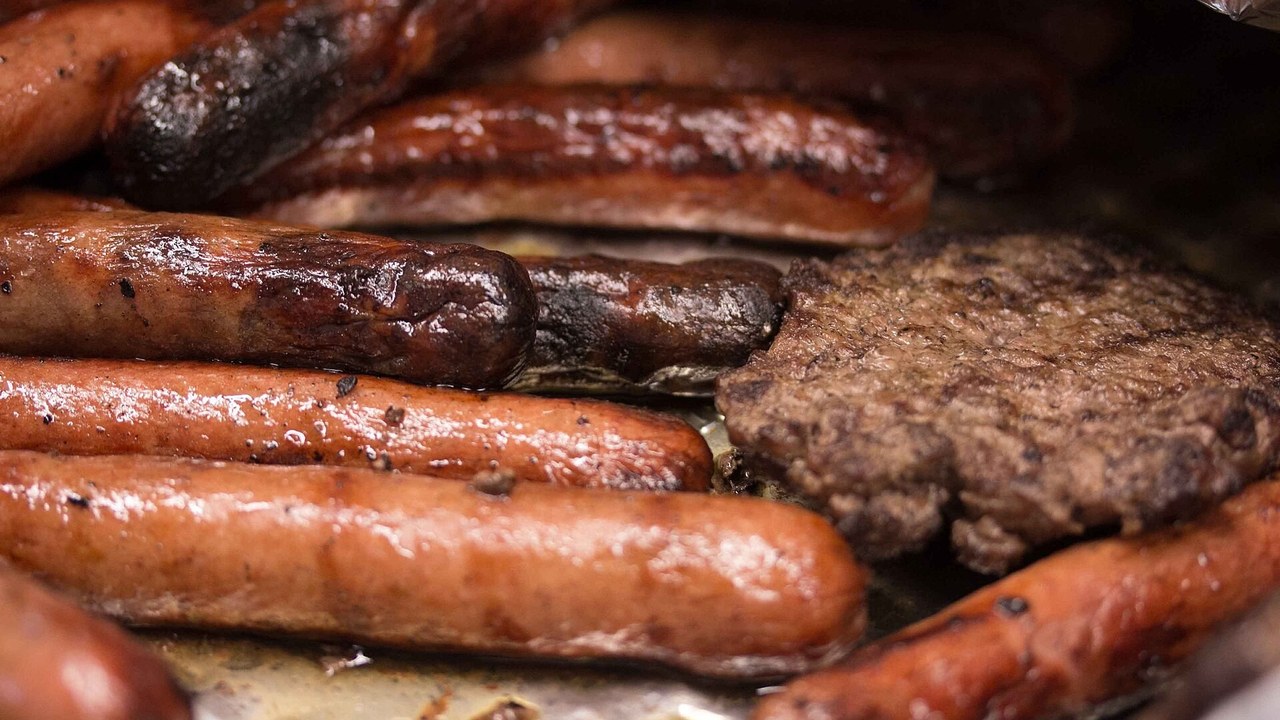
The recall covers ready-to-eat products — food that is cooked before it is sold, so it is normally safe straight from the package. That is exactly why the temperature problem matters. The products include hot dogs (including Fenway Franks), bacon, sausage, ham, turkey breast, bologna, corned beef and fully cooked chicken sausage. Ready-to-eat meat that sits above safe refrigeration temperature for long enough can let bacteria multiply to dangerous levels — and reheating may not fix it.
HOW TO CHECK YOUR PACKAGE IN TWO MINUTES
First, find the round USDA mark of inspection on the package — the establishment number sits inside it. Second, match one of the three numbers: EST. M/P 7839, EST. P 20935A or EST. M 9520. A different number means your package is not part of this recall. Third, check the production window — March 31 to October 7, 2026 — and, if it matches, check the exact product and UPC code against the full list the USDA published with the recall. Fourth, if it matches, do not eat it: throw it away or return it to the store where you bought it. Cooking it will not make it safe. And if you are unsure, call Kayem customer service at 800-426-6100, or the USDA Meat and Poultry Hotline at 888-674-6854.
WHY THE RECALL HAPPENED
The problem was discovered the ordinary way: on October 1, a retail customer told Kayem Foods that a delivery had arrived warmer than it should have been. The company's investigation found that a warehouse cooler holding ready-to-eat products had run through temperature deviations — it had not held safe refrigeration temperatures. Kayem announced a voluntary recall on October 16, and the USDA's Food Safety and Inspection Service announced it publicly the next day, October 17, as Recall 026-2026. No germ was found in a lab test. The problem was storage temperature, not something visible on the food — which is why you cannot tell by looking whether a package is affected.
WHY IT'S TRENDING AGAIN TODAY
Nothing new was announced today. The recall is six weeks old, and the surge is a resurfacing — the same pattern as other food-safety stories that come back when a viral post meets a holiday. A four-slide Instagram carousel posted on November 25 warned that more than 1.5 million pounds of meat had been recalled nationwide, and explainers have been circulating since November 17. The detail that keeps the story alive is the best-by date: some recalled items carry dates stretching into early 2027, so a package bought months ago can still be affected today. On Thanksgiving, when freezers are being opened all over the country, that is enough to send 200,000 people to Google.
THE STORY SO FAR
October 1, 2026 — A retail customer tells Kayem Foods that a delivery arrived warm. October 16 — Kayem announces a voluntary recall of about 1,584,361 pounds of ready-to-eat meat and poultry. October 17 — The USDA's Food Safety and Inspection Service announces Recall 026-2026 publicly, with a Class I rating. November 17 — The first explainers circulate, noting that best-by dates run into 2027. November 25 — A viral Instagram carousel warns of dangerous hot dogs hiding in freezers. November 26 — Searches for the Kayem Foods meat recall pass 200,000 in the United States on Thanksgiving Day.
WHAT HAPPENS NEXT
The USDA keeps the recall details, labels and product lists on its recalls page, and the list can change if new information emerges — so far, no expansion and no confirmed illnesses. The practical step is the same one the agency has repeated since October: check the freezer before the food goes on the table. If the USDA expands the recall or confirms an illness, this page will be updated with the new facts.