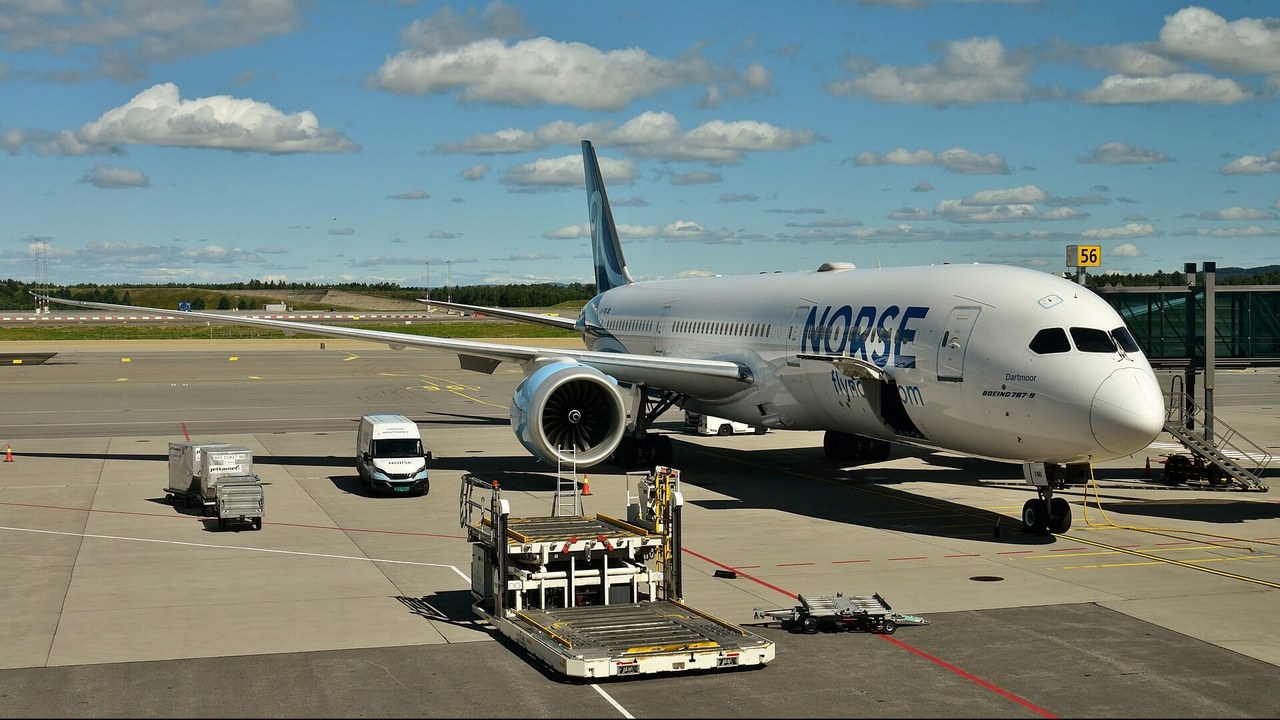
Norse Atlantic Airways has filed for bankruptcy and cancelled every flight it operates. The Norwegian budget long-haul carrier told passengers on Friday, November 27, that its operating company had run out of money — and if you hold a ticket, the most important thing to know is this: do not go to the airport, and do not wait for the airline to pay you back. The refund comes through your bank, not the airline.
The board of Norse Atlantic Airways AS, the airline's Norwegian operating company, filed a bankruptcy petition with the Agder District Court on Friday after failing to secure the short-term funding it needed to keep flying, the company said in a stock-exchange notice. “The Board of Norse Atlantic Airways AS has made the difficult decision to file for bankruptcy despite extensive efforts from the Company and the Group to find a solution,” chief executive Eivind Roald said. “We are deeply sorry for the impact this has on our passengers, employees and partners.”
The collapse took three days. On Wednesday, November 25, the airline warned its financial situation was “critical” and its shares closed 85% lower on the Oslo Stock Exchange. The same day, Pakistan International Airlines said Norse had unexpectedly suspended the wet-lease flights it operated for PIA. On Thursday, November 26 — Thanksgiving Day — Norse suspended all of its own flights and warned it would file for bankruptcy if no rescue funding arrived urgently. By Friday, the filing was in. The immediate cause was fuel: the war in Iran, which began at the end of February, has driven jet-fuel prices sharply higher, and Norse — unlike bigger rivals — had not hedged its fuel needs, according to Reuters. Norse is the second European airline to enter bankruptcy proceedings this year, after Latvia's airBaltic.
For American travellers the damage is narrow but real. Norse's only US route still operating in November was London to Orlando, Florida, according to aviation analytics firm Cirium, cited by USA TODAY. The bigger blow is in Britain: Norse Atlantic UK flew from London Gatwick to Bangkok, Cape Town, New York, Orlando and Phuket, and from Manchester to Barbados and Antigua. A Barbados-to-Manchester flight and a Manchester-to-Antigua flight were among the cancellations on Saturday, November 28.
THE KEY NUMBERS
$647 million — the debts of the bankrupt Norwegian company, against assets valued at $411 million, according to the court ruling obtained by Norwegian business site E24. The court found the payment difficulties are not temporary: the company is insolvent.
304 — employees of the bankrupt Norwegian company, whose unpaid wages can be claimed from Norway's state wage guarantee scheme.
12 — aircraft in the Norse fleet. Seven belonged to the Norwegian company; the other five belonged to the UK subsidiary. The lessors have sent notices terminating the leases on all 12, which Norse disputes.
85% — how far Norse shares fell in Oslo on Wednesday, November 25, the day the airline warned its finances were “critical”.
More than $540 million — the losses Norse has accumulated since it launched in 2022. It has never recorded an annual profit.
2 — Norse is the second European airline to enter bankruptcy proceedings in 2026, after airBaltic.
HOW TO GET YOUR MONEY BACK TODAY
Norse's own customer service is gone, so the airline will not rebook you or process a refund. Here is what to do instead, in order:
1. Call your bank or card issuer first and ask for a chargeback. If you paid by credit or debit card, your issuer can reverse the payment for a service that was never delivered. This is the route most passengers will actually get money back through, and the sooner you file, the better.
2. If you booked from Britain on a credit card, check Section 75. Under Section 75 of the Consumer Credit Act, your card provider is jointly liable for credit-card purchases between £100 and £30,000 — the UK Civil Aviation Authority pointed passengers to their card issuers for exactly this protection.
3. Call your travel insurer. Norse itself told passengers to ask their insurer whether their policy covers airline failure or the cost of getting home, before buying a replacement ticket.
4. File a claim in the insolvency — but do not count on it. Passengers can submit a claim as part of the bankruptcy process, but Norse has said payment is not guaranteed, and the estate's remaining money goes to creditors first.
5. Book your replacement flight yourself. Nobody is coming to rebook you, and fares will only rise as other passengers do the same. Do not go to the airport — there is no flight to catch.
THE STORY SO FAR
Wednesday, November 25 — Norse warns its financial situation is “critical” and says it needs short-term financing urgently. Its shares close 85% lower in Oslo. Pakistan International Airlines says Norse has suspended its wet-lease operations.
Thursday, November 26 — Norse suspends all flights and says it will file for bankruptcy if no funding is found. Thanksgiving Day cancellations strand hundreds of holiday travellers in the US, the UK and elsewhere, according to The Wall Street Journal.
Friday, November 27 — the board files for bankruptcy at the Agder District Court at 2 p.m. CET. All flights are cancelled and ticket sales discontinued. The court appoints Håvard Wiker of the law firm Ro Sommernes as bankruptcy trustee. The UK Civil Aviation Authority confirms Norse Atlantic UK has also cancelled all flights.
Saturday, November 28 — flights that were still on the board for today, including Barbados to Manchester and Manchester to Antigua, are cancelled. Searches for the airline surge in the United States as ticket holders discover the news.
WHAT HAPPENS NEXT
The bankruptcy covers only the Norwegian operating company. The listed parent, Norse Atlantic ASA, and the UK subsidiary are not part of the filing, and the board says it is still working to find a solution that would let the remaining business keep operating. But the trustee has said the estate will not continue flights under the Norse name, and with the leases on all 12 aircraft terminated, any rescue would have to rebuild the airline from almost nothing. For passengers, the practical next step is the bank: chargebacks and insurance claims are moving now, while the insolvency claim will take months and may pay little or nothing.