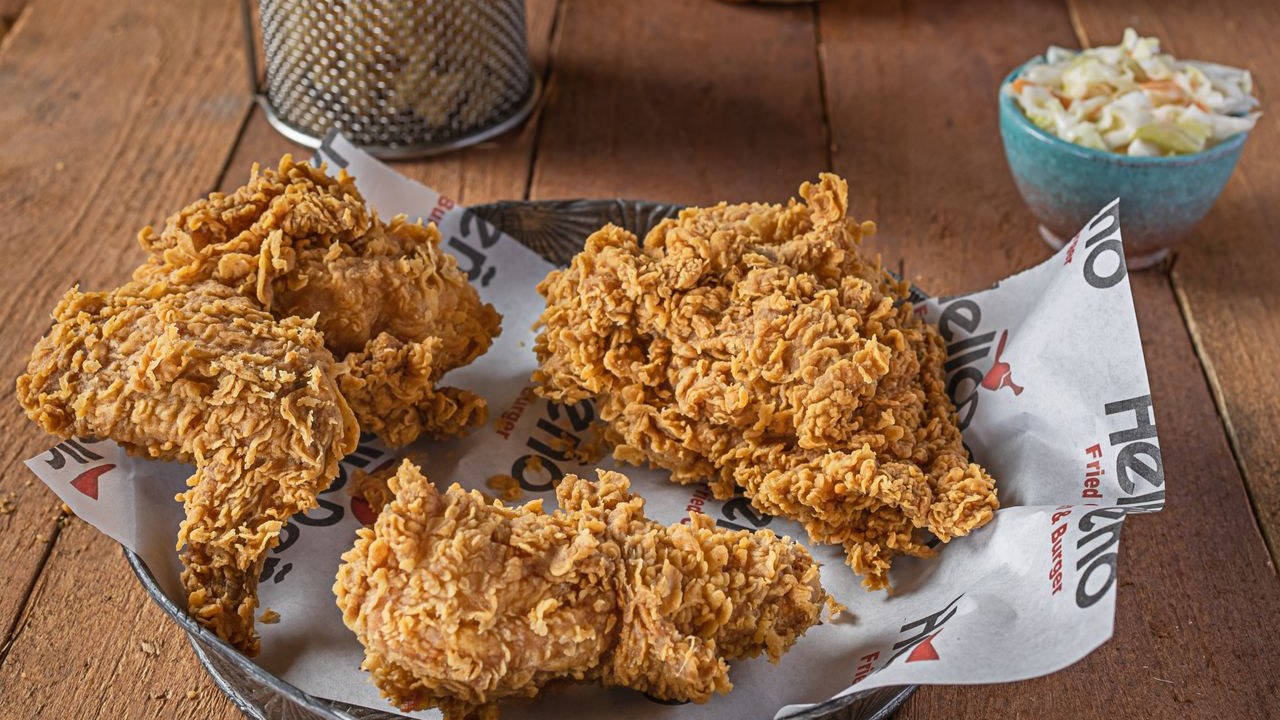
More than 70 KFC restaurants across 10 US states are closing or have already closed, after the franchisee that ran them filed for Chapter 11 bankruptcy protection on Monday. The list, filed in court on Tuesday, runs from small towns in Arkansas to more than a dozen locations in Memphis — and if your regular KFC is on it, it may already be dark.
The operator is Tasty Chick'n LLC, a Texas-based franchisee formed in 2021 to run KFC and Taco Bell restaurants for Yum Brands, the parent company of both chains. At the time of its bankruptcy petition it ran 75 KFC restaurants and nine co-branded KFC/Taco Bell locations — 84 in all, across 10 states — and employed more than 1,600 workers, most of them full-time.
The filing says the business has been shrinking for three years. Sales fell 11.4% in fiscal 2024, slipped another 1.4% in fiscal 2025, and are down 2.8% so far in 2026, while food, labour, operating and rent costs all kept rising. Restaurant profit margins collapsed from 11.8% in 2023 to just 4% in 2026. Costly remodel demands from Yum Brands also left the operator owing about $15.6 million in unpaid royalties — and in September, Yum formally warned it would terminate the franchise agreements.
The Full List: Every State And How Many Restaurants Are Closing
Fast Company published the complete list of addresses from the court filing — 73 in total. Tennessee is by far the hardest hit, with 24 addresses, including at least 14 in Memphis itself — on Elvis Presley Boulevard, Lamar Avenue, Union Avenue and Summer Avenue among them. Arkansas follows with 10, then Florida with 8 and Kentucky with 8. Alabama has 5 on the list, Illinois 4, Missouri 3, Mississippi 3, Virginia 7 and Indiana 1.
Many on the list appear to have closed before the petition was even filed — most already show as closed on Google. The operator is now asking the court to let it walk away from 77 leases and abandon the properties, and to approve a court-supervised sale of the restaurants that remain.
THE KEY NUMBERS
84 restaurants run by Tasty Chick'n — 75 KFC and 9 co-branded KFC/Taco Bell locations. 73 addresses on the published closure list, across 10 states. 24 of them in Tennessee, including at least 14 in Memphis. $15.6 million in unpaid royalties owed to Yum Brands. About $73 million in funded debt (Bloomberg). Assets of $50–100 million, liabilities of $100–500 million. Sales down 11.4% in 2024, 1.4% in 2025 and 2.8% so far in 2026. Restaurant profit margin down from 11.8% in 2023 to 4% in 2026. More than 1,600 workers, most of them full-time. $20 million in emergency financing sought from lender MidCap Financial Trust — $5 million in new money and a $15 million rollup of existing debt.
Why This Happened
The story, as the company's own chief executive told the court, is a slow squeeze rather than a single bad event. Sales fell for three straight years while every major cost — food, wages, rent, operations — rose. The remodel and upgrade obligations in the franchise agreements added pressure, and the unpaid royalties piled up until Yum Brands sent a notice of breaches and defaults in December 2025. Talks over a forbearance deal went nowhere, and on September 15, 2026, Yum sent the notice of intent to terminate. Losing the agreements would have ended its right to trade as KFC and Taco Bell and wiped out the company's value — so it filed for Chapter 11, which blocks the termination while it tries to sell.
Is KFC Itself In Trouble?
Not in the way the headlines suggest. This is one franchise operator failing, not the chain. Yum Brands told Fast Company it is actively engaged with Tasty Chick'n and focused on its franchisees' long-term success. Yum's shares are up roughly 6.3% this year, and KFC's sales are growing by double digits in the Middle East and Asia. But the US business is struggling: American sales fell 6% in the third quarter, and trendier rivals like Raising Cane's and Dave's Hot Chicken have pulled younger customers away.
Tasty Chick'n is also part of a much wider wave. In September, the operator of more than 300 Wendy's restaurants filed for bankruptcy after years of sales struggles and a strained relationship with the chain's parent company. Franchisees for Denny's, Subway and Moe's Southwest Grill have made similar moves, and collectively these operators have closed hundreds of restaurants in 2026.
Before You Drive To Your KFC
If your local KFC is in one of the 10 states, check before you go: most listed restaurants already show as closed on Google, and KFC's own restaurant locator is the surest check. Not every Tasty Chick'n restaurant is closing — the rest stay open while the sale runs, and some closed ones could reopen under new owners.
THE STORY SO FAR
2021: Tasty Chick'n is formed to run KFC and Taco Bell restaurants for Yum Brands. 2023: restaurant profit margins stand at 11.8%. 2024: sales fall 11.4%. December 17, 2025: Yum Brands sends a notice of breaches and defaults over unpaid royalties. 2025: sales slip a further 1.4%. September 2026: the operator of more than 300 Wendy's restaurants files for bankruptcy. September 15, 2026: Yum sends Tasty Chick'n a notice of intent to terminate its franchise agreements. Monday, November 16, 2026: Tasty Chick'n files for Chapter 11 bankruptcy in Houston, seeking to block the termination and sell the business. Tuesday, November 17, 2026: court papers list the restaurants that are closing or have closed. November 18, 2026: Fast Company publishes the full list of addresses.
WHAT HAPPENS NEXT
The bankruptcy court in Houston now decides the two things that matter most: whether to approve the $20 million in emergency financing from MidCap Financial Trust, and whether to let the operator out of the 77 leases. The company will market the restaurants as a portfolio, by market, or in combinations, to draw as many buyers as possible. Some could survive under new owners; others will stay dark. The remaining restaurants keep trading in the meantime, and KFC says it is working with the operator as the process runs. If the sale goes through, the question becomes which of these 73 addresses ever serve fried chicken again.