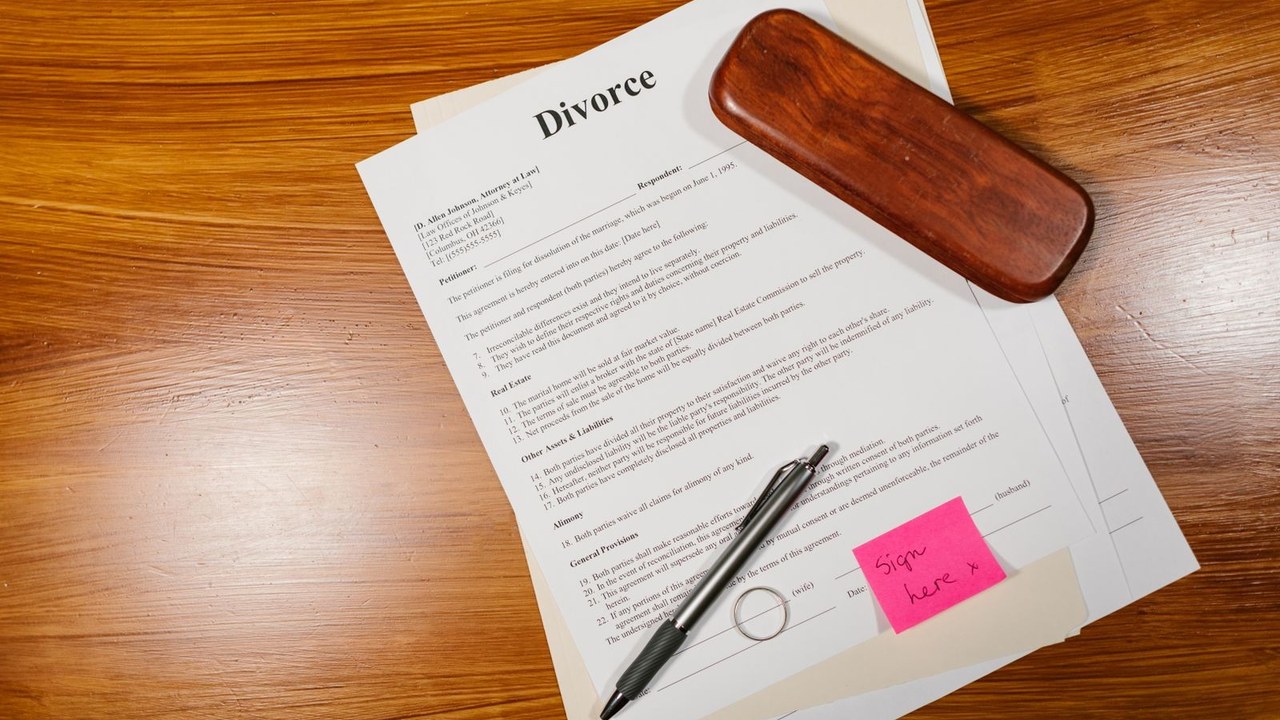
If you picture divorce filings spread evenly across the year — a steady, sad rhythm — the data says otherwise. When University of Washington sociologists Julie Brines and Brian Serafini examined divorce filings in Washington state between 2001 and 2015, they found a pattern that repeated year after year: filings climb to a peak in March, dip, then peak again in August.
The study — "Seasonal Variation in Divorce Filings: The Importance of Family Ritual in a Post-sentimental Era" — was presented at the 111th Annual Meeting of the American Sociological Association in August 2016. The pattern held across the full 15 years of records, and the researchers checked other states, including Ohio, Minnesota, Florida and Arizona, finding the same rhythm with only slight shifts in timing.
Why March And August?
Both peaks arrive in the weeks right after the year's two big family seasons — the winter holidays and the summer break. The researchers' explanation starts with how couples treat those seasons: holidays carry a kind of sacred status in family life. Filing for divorce during Christmas or the family vacation feels taboo, and many struggling couples pin real hope on the season — this trip, this Christmas, will be the one that fixes things.
When the holiday fails to deliver the renewal it promised, the disappointment lands in January and July. But the filings do not spike immediately. The March peak, the researchers note, likely reflects the practical delay in between: time to get finances in order, find an attorney and summon the courage to file. August's peak has an added deadline of its own — the end of the family vacation and the start of the school year, a natural line after which parents prefer the decision to be made.
What The Pattern Actually Tells Us
The study is about filings, not feelings — it cannot say when marriages actually break down, and a filing date is often the end of a long process rather than the start of one. What it does show is how deeply divorce decisions are shaped by the family calendar: couples wait for the holidays to pass, hope the holidays help, and act when they don't. The researchers described holidays as moments when couples take stock — which means the two peaks are less about the calendar causing divorce, and more about the calendar concentrating decisions people were already approaching.
If You Are Reading This In One Of Those Months
A seasonal pattern is a statistic, not advice. But if the post-holiday months are when you find yourself taking stock, you are in very common company — and the researchers' work suggests the healthiest reading of that feeling is not urgency, but honesty: holidays reveal the state of a marriage more than they change it. Whatever you decide, decide it on the marriage itself, not on the month.